Certified organic agriturismo
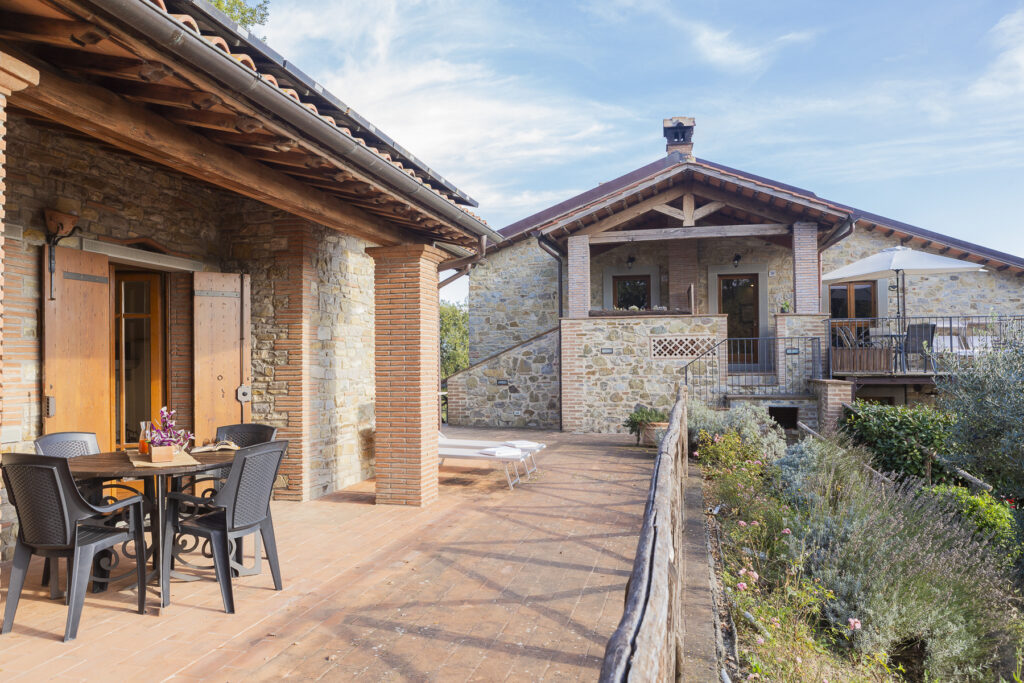
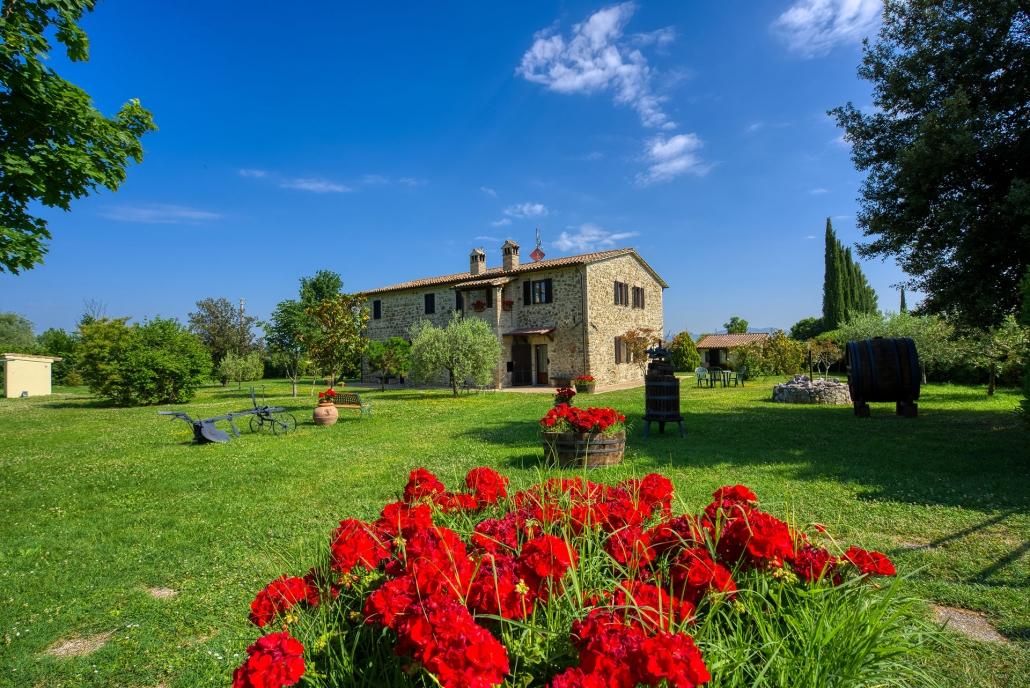
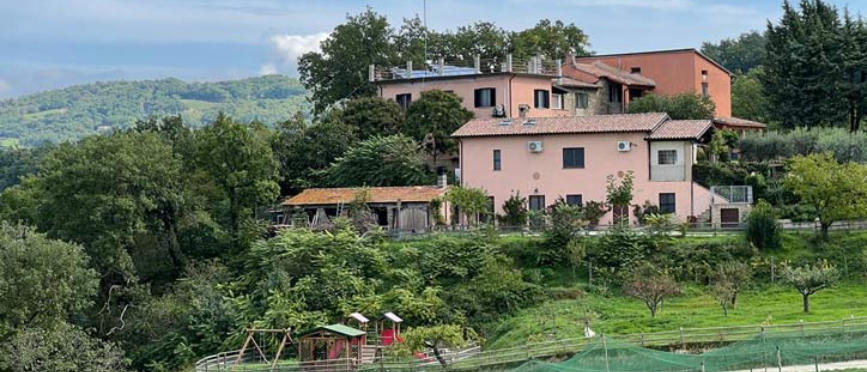
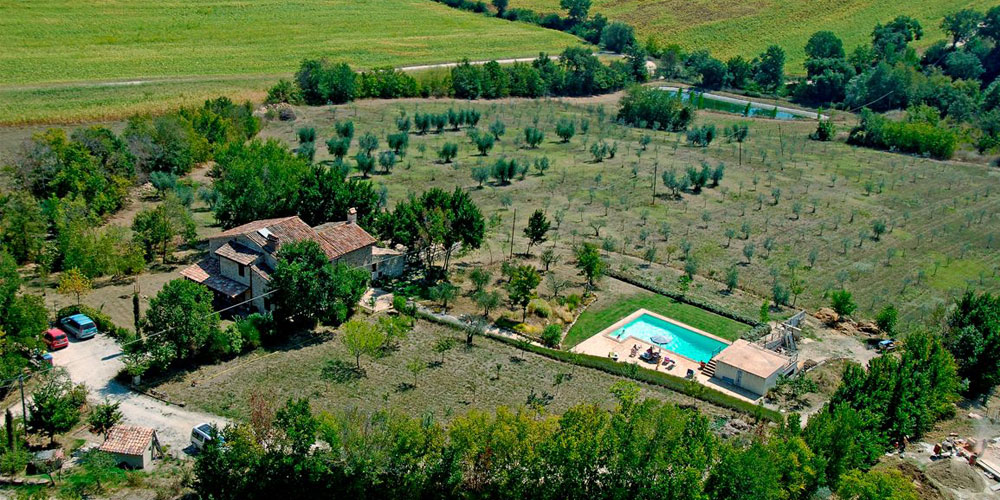
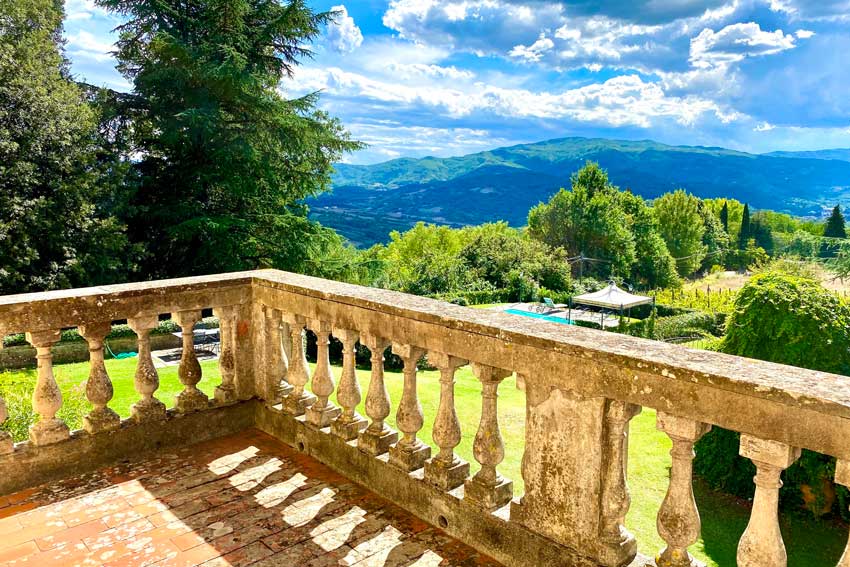
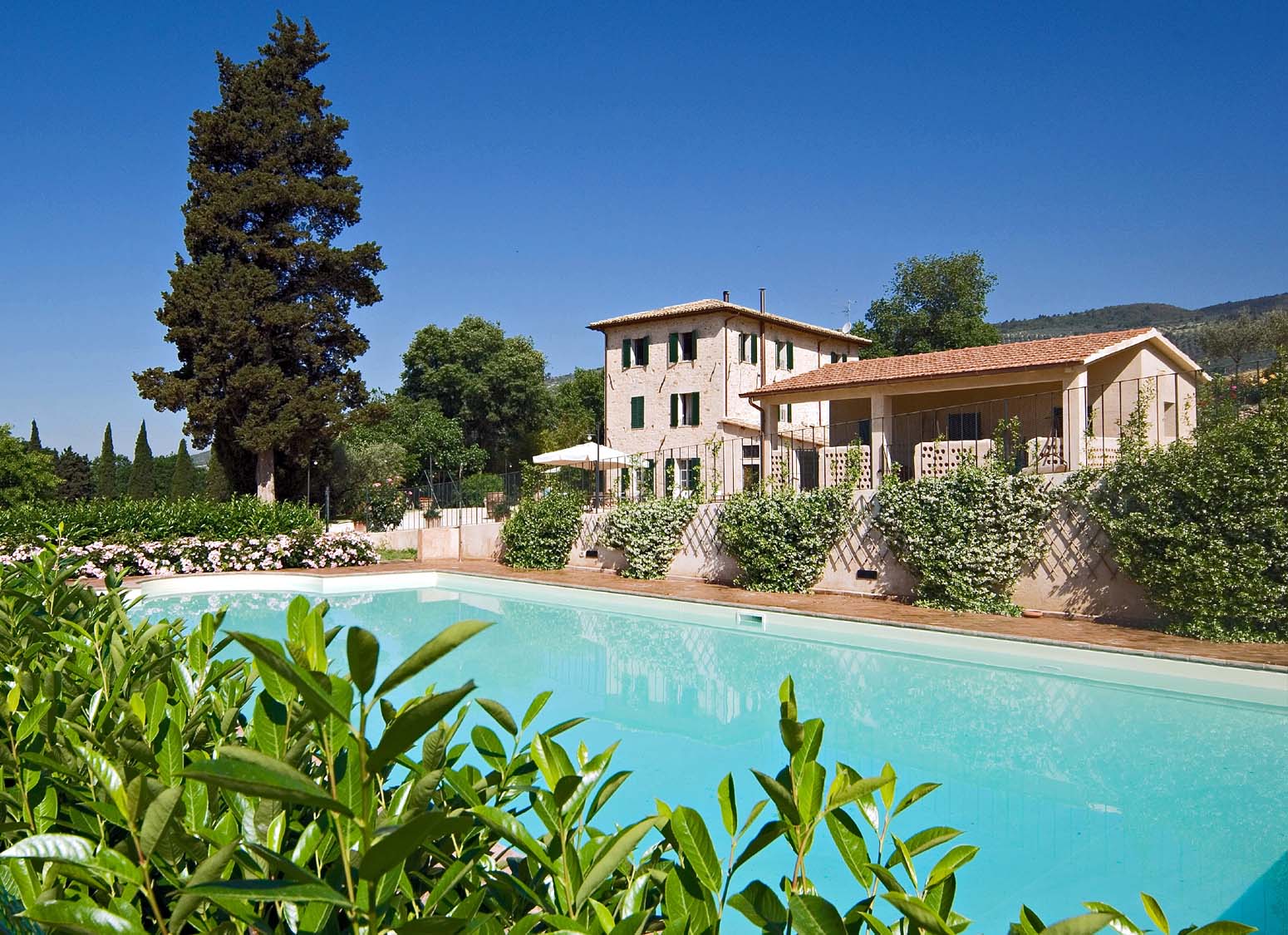
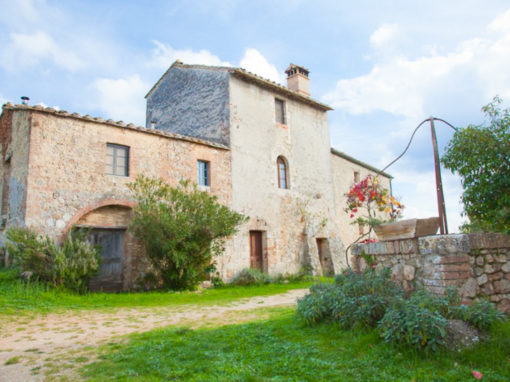
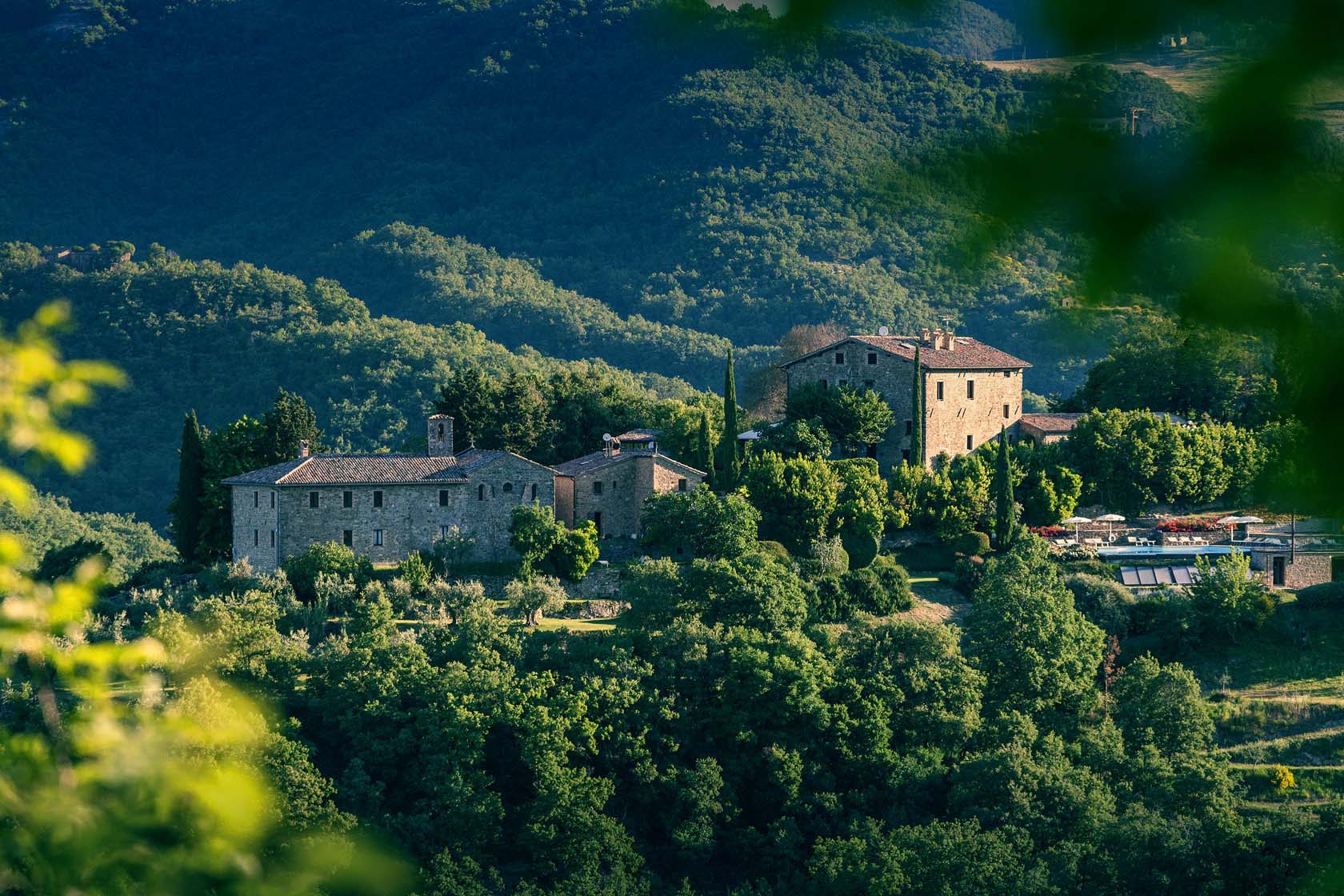
The Italian backbone, and by far the most interesting option. A working farm — vines, olives, ancient grains, livestock, saffron, vegetables — that hosts a few rooms or apartments in its existing buildings. Good signs: an ICEA or CCPB organic certificate displayed with its operator number, a real processing workshop (oil, wine, preserves, cheese), and a host who can tell you which olive variety he planted. Bad signs: an infinity pool, fourteen rooms, and decorative lavender standing in for agriculture.
Trullo
The dry-stone cones of the Valle d’Itria — Alberobello, Locorotondo, Cisternino, Martina Franca — a UNESCO site. A well-restored trullo is a feat of passive design: metre-thick walls, huge thermal mass, cool in August without air conditioning. Beware concrete restorations that stop the walls breathing. Usually rented whole for two to four people, sometimes clustered around a small olive grove.
Masseria
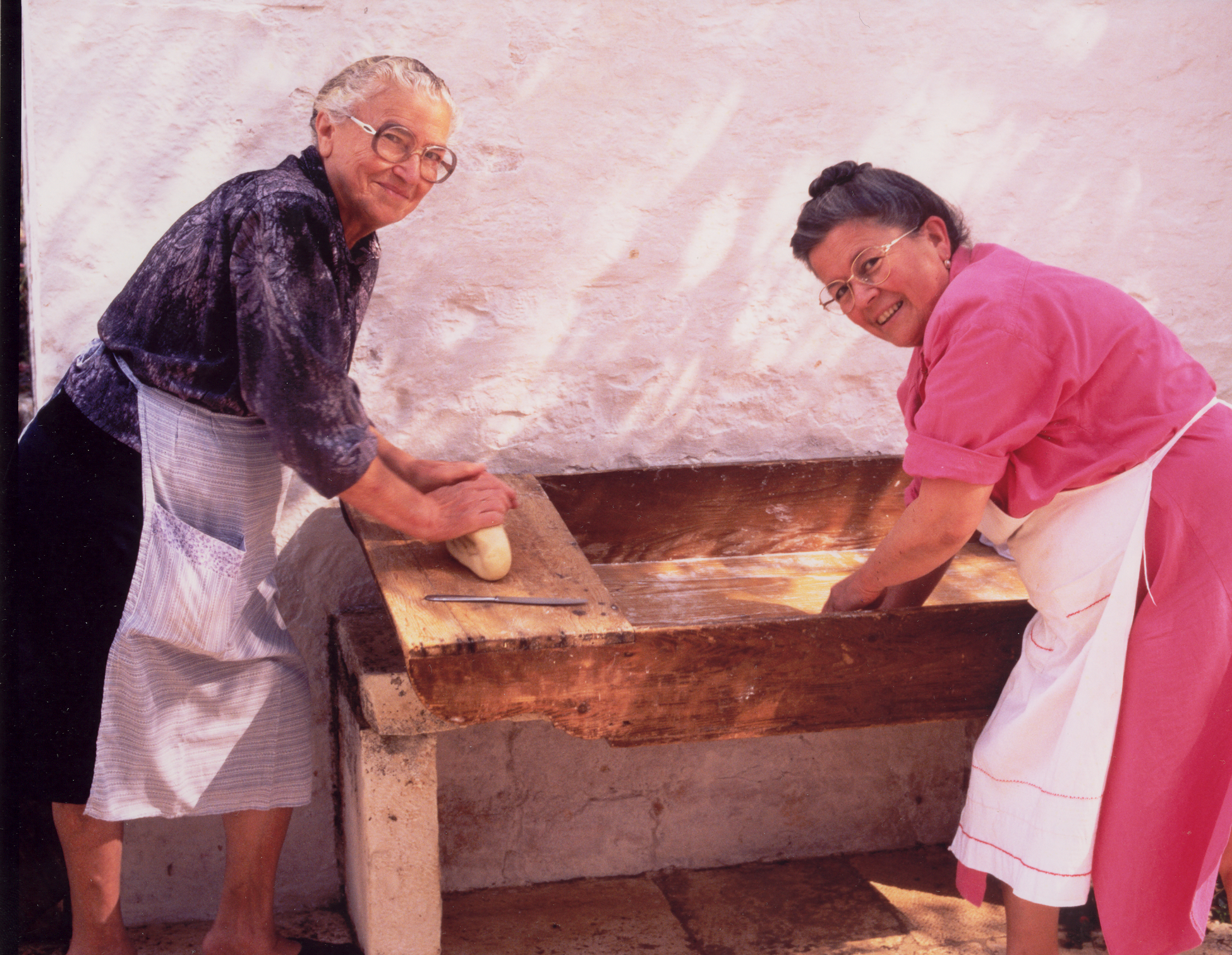
The fortified farm of Puglia, Basilicata and Sicily: inner courtyard, chapel, whitewashed walls, centuries-old olives. The best ones still farm and press their own oil; the rest have become 400-euro-a-night resorts with a spa and irrigated lawns. We list only the former, and only if the water management stands up.
Ecolodge
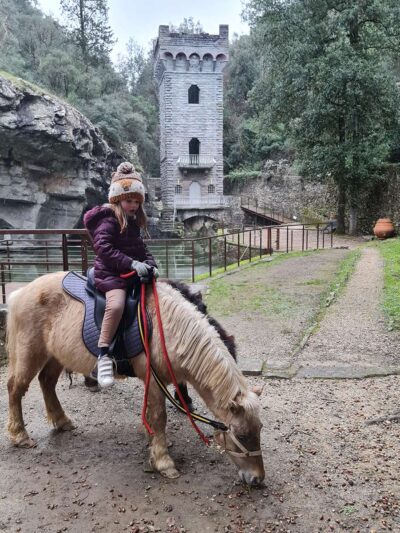
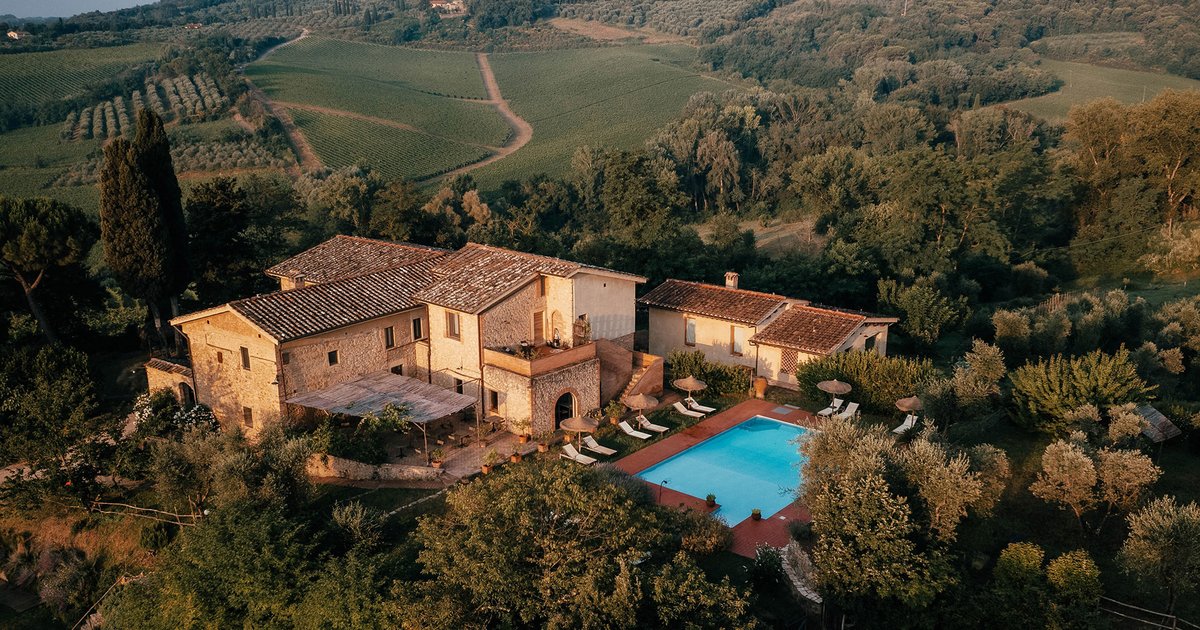
Mostly Tuscany and Umbria: new builds or converted casali, hemp or cork insulation, photovoltaics, reed-bed treatment, usually inside a farming or forestry estate. This is the closest thing to a Nordic ecolodge, but with a distinctly Italian relationship to land and table.
Restored borgo and albergo diffuso
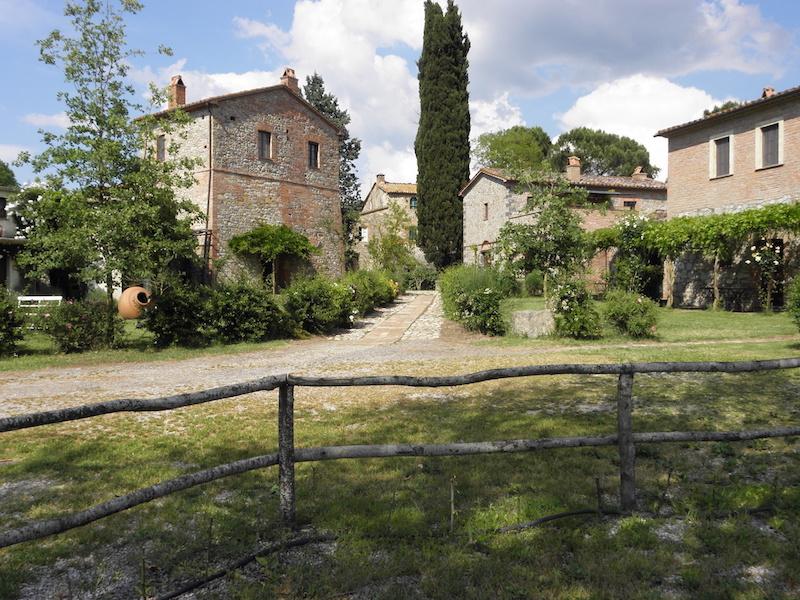
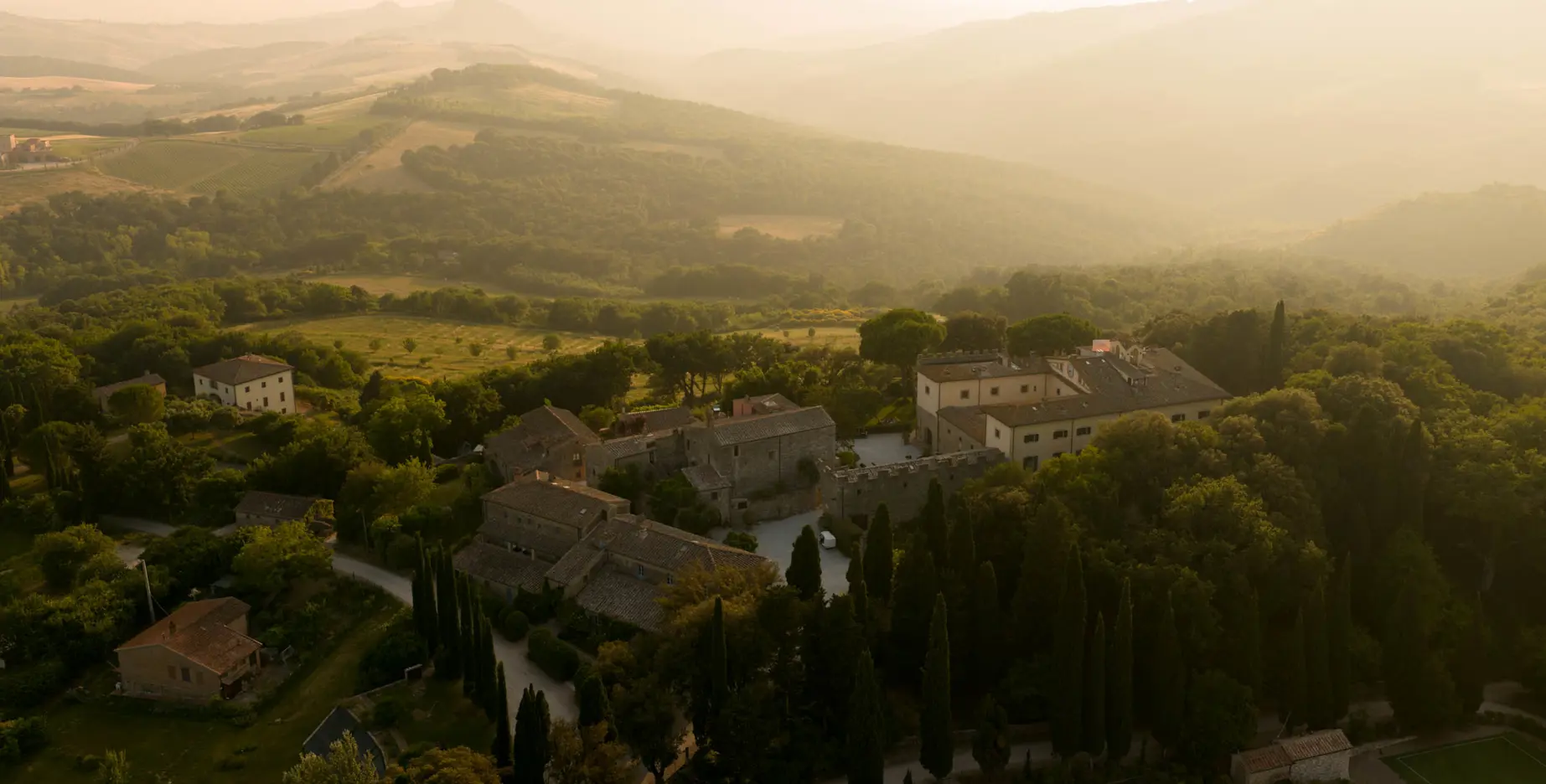
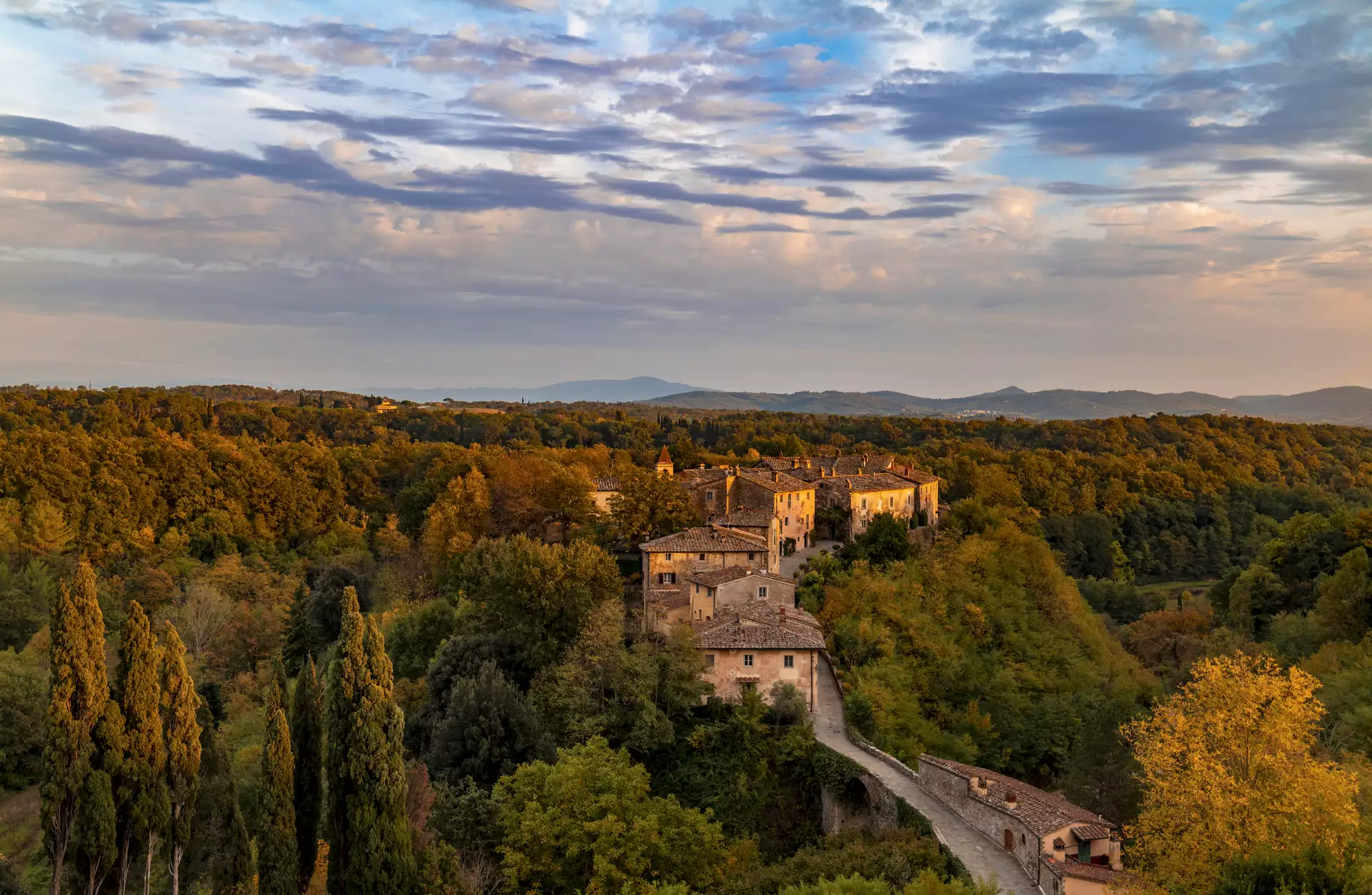
An Italian invention: a depopulated village whose houses are restored one by one and let as rooms, with reception in the old grocery. Zero new land take, full reuse of existing buildings, and money that stays in the village. Common in Umbria, Abruzzo, inland Sicily and the Apennines.
Glamping and lodge tents
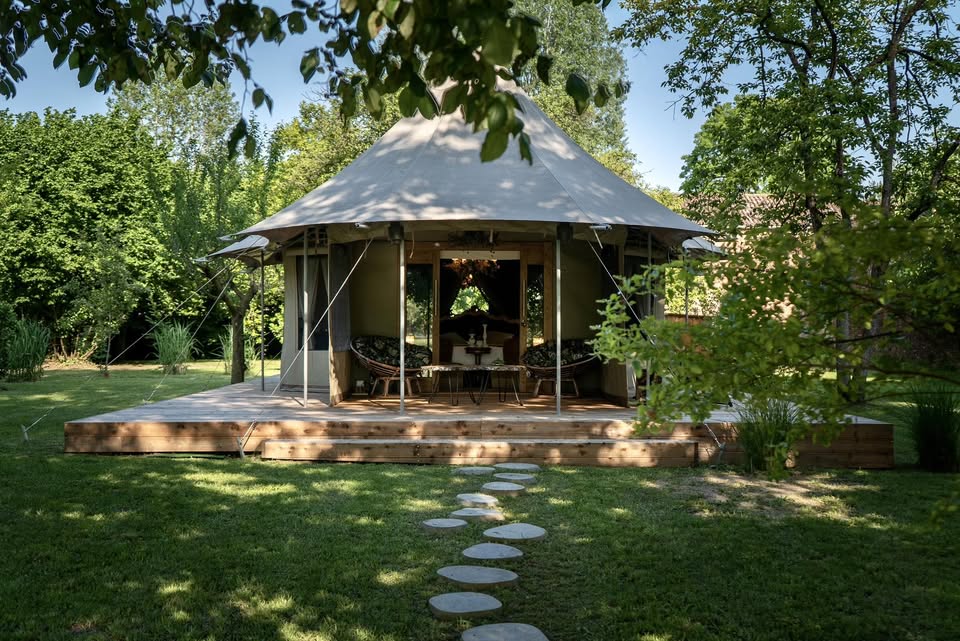
Growing fast, mainly in Tuscany, Puglia and along the Tyrrhenian coast. Safari tents on timber decks, canvas lodges, demountable structures. The format is virtuous when it stays seasonal and light — far less so when it comes with a pool, air conditioning and permanent earthworks.
Mountain refuge and malga
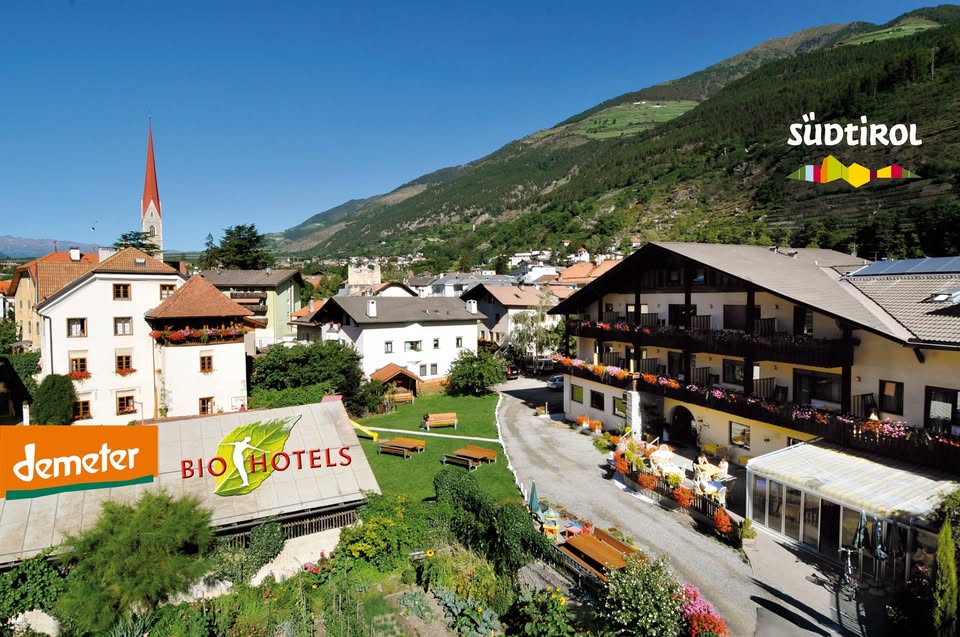
Trentino-Alto Adige, the Dolomites, Aosta Valley: high-altitude rifugi and malghe (dairy alpine pastures) that open a few rooms. Simple comfort, compulsory half board, frequent dormitories. This is the most frugal accommodation in the country: water is counted, energy is limited, supplies arrive by cable car or mule.
Casale and rural guesthouse
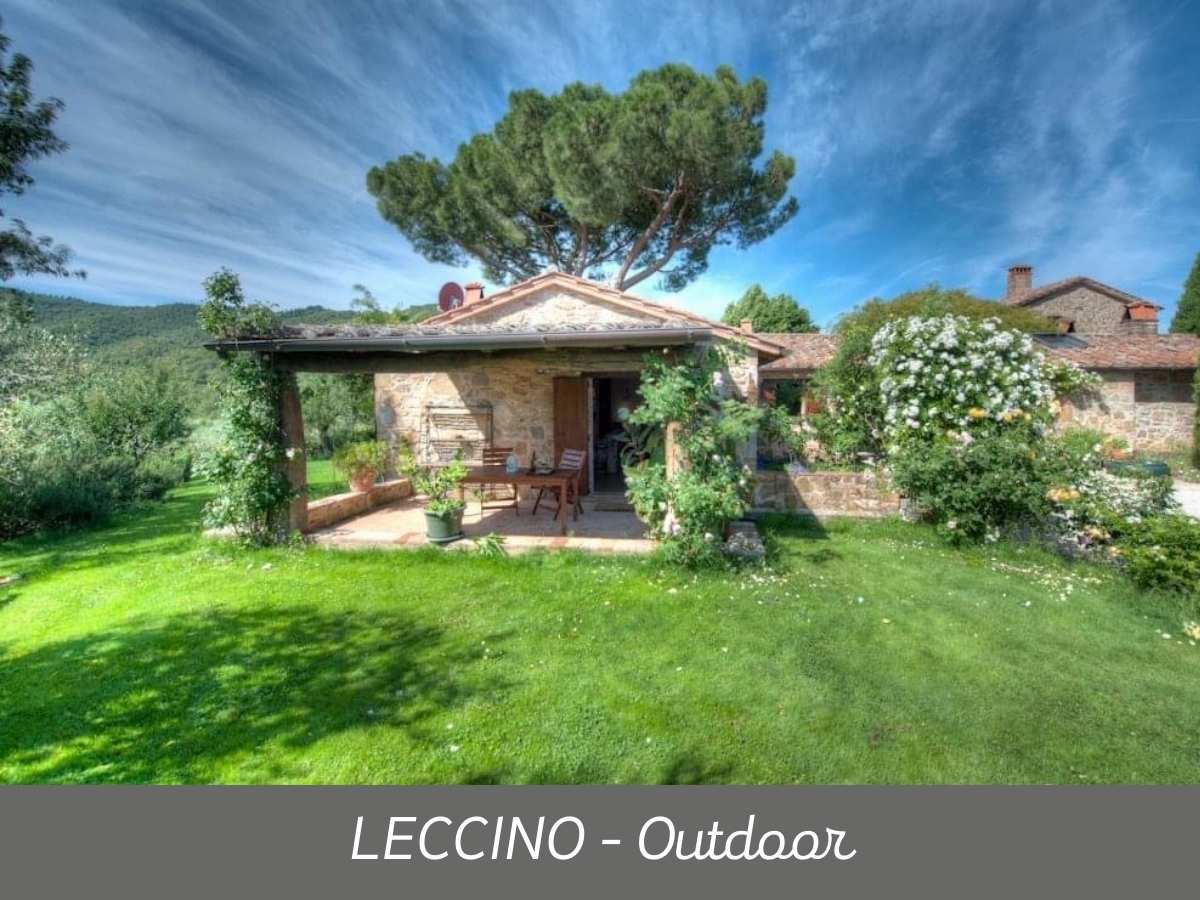
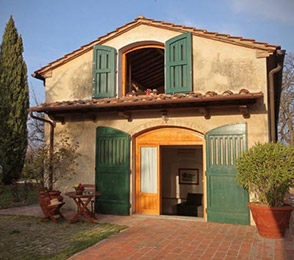
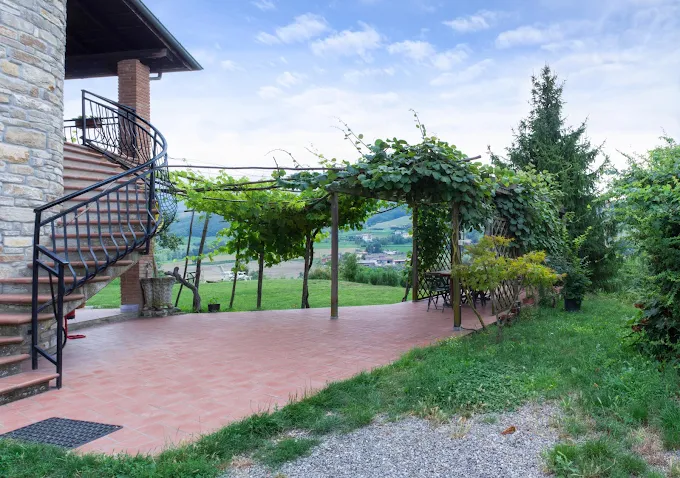
The big family stone house, restored by its owners, two to five rooms, a shared dinner table. It is the entry level of rural Italy and often the best value — especially in Umbria and Le Marche, where prices sit well below Tuscany.