ecobookingGuidesSpain
Unique stays in Spain

Guide · Spain

Unique stays in Spain

Houses carved into rock at Guadix, bubbles under the Montsec sky, treehouses in the Atlantic forests of Galicia, organic fincas in Andalusia. A country of contrasts — and a selection where the real ecological criterion is called water.

ecobooking·9 stays·Updated July 10, 2026
Also available in:FrançaisDeutschEspañolItalianoPortuguês

Spain is the European country where unusual accommodation makes the most geological sense: for centuries people here have dug their homes into the rock rather than setting them on top of it. The casas cueva of Guadix, Baza and Galera, on the Granada altiplano, hold 18–20 °C all year round with no air conditioning and almost no heating. Alongside that, the country has some of the darkest skies in Europe — Montsec in Catalonia, La Palma, Gúdar-Javalambre, the Sierra Morena — and therefore the most spectacular stargazing bubbles and domes on the continent.

The flip side is brutal: Spain is under severe water stress, and a good share of the local “eco” offer still fills a swimming pool in Andalusia in August. At ecobooking, water is our first criterion, ahead of energy. We check what happens behind the photo — water use, thermal inertia versus air conditioning, materials, local roots — and score every stay from 0 to 100. You contact the host directly. No booking fee is added to your night.

Cave housesTreehousesBubblesGeodesic domesGlampingOrganic fincasYurtsShepherd huts

Our selection in Spain

Sorted by eco-score

What you will — and will not — find in Spain

Casa cueva (cave house)

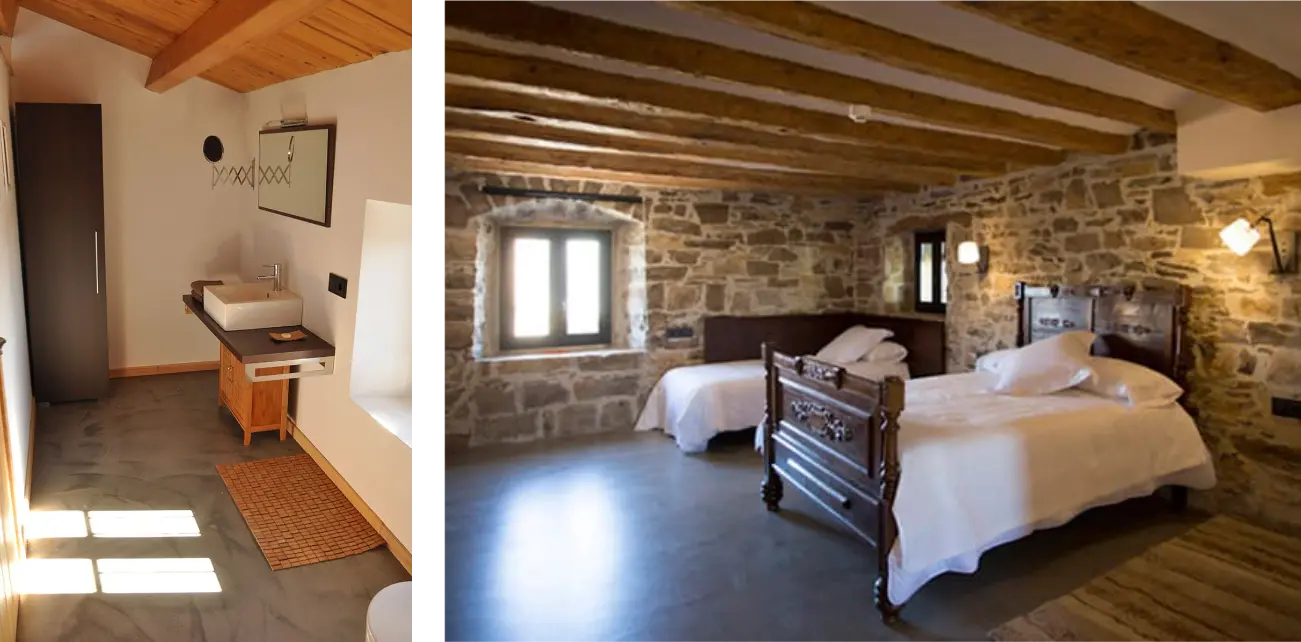
The Spanish signature, and arguably the smartest ecological stay in the country. Carved into the tufa of the Granada altiplano — Guadix alone has more than 2,000 inhabited cave dwellings, with Baza, Galera and Purullena close behind — these houses hold 18–20 °C summer and winter through sheer thermal inertia. Zero air conditioning, minimal heating. Whitewashed vaults, a fireplace, a sunken patio. Rare, in high demand, often fully booked.

Treehouse

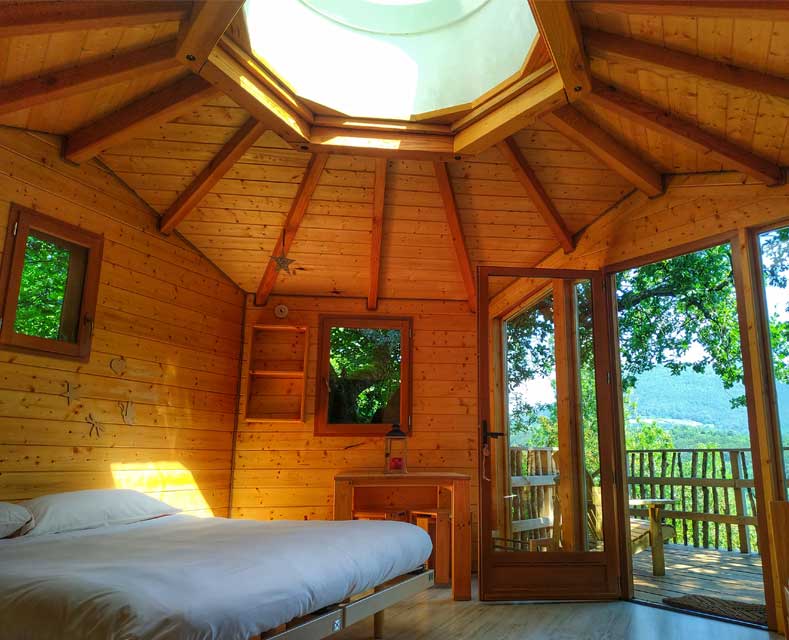
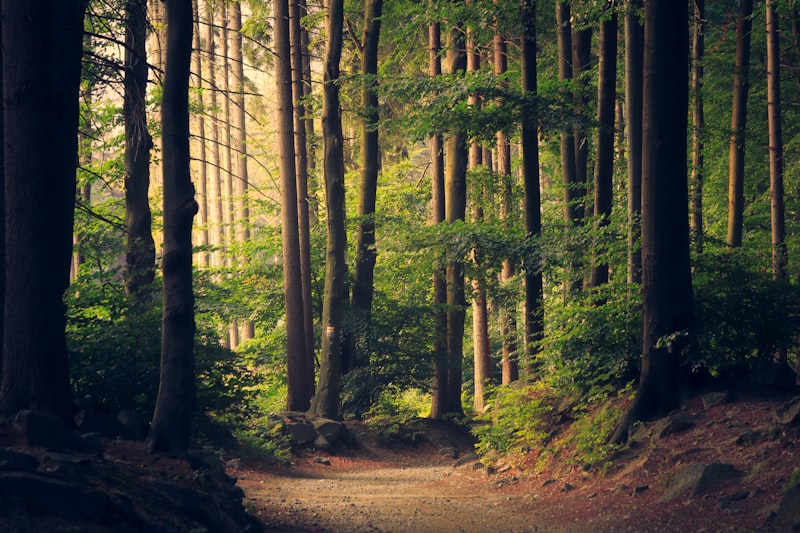
Concentrated in green Spain: the Atlantic forests of Galicia and Asturias, the beechwoods of Navarre and the Basque Country, the chestnut groves of the Sierra de Aracena. The best ones hang from cables, are heated by a wood stove and run on solar. Also the most-searched Spanish unique stay for a couple’s weekend.

Transparent bubble

Spain is the best country in Europe to sleep under a bubble, quite simply because the sky is darker and clearer: the Montsec Starlight Reserve, the Sierra Morena, the Sierra Sur de Jaén, Gúdar-Javalambre, La Palma. Always check ventilation: an unventilated bubble in the interior in summer is unliveable by 10 a.m.

Geodesic dome

The format that is exploding, from Catalonia to Andalusia. Sturdier and better insulated than a bubble, often with a glazed bay or a transparent oculus above the bed. The right compromise for astrotourism without suffering the heat.

Glamping and safari lodges

Safari tents, canvas cabins, tipis, usually on a finca or in a pine wood. The best Spanish glamping is found in Catalonia, Extremadura and the Andalusian sierras. The worst fills a 40 m³ pool in a drought zone: exactly what we filter out.

Eco casa rural and organic finca

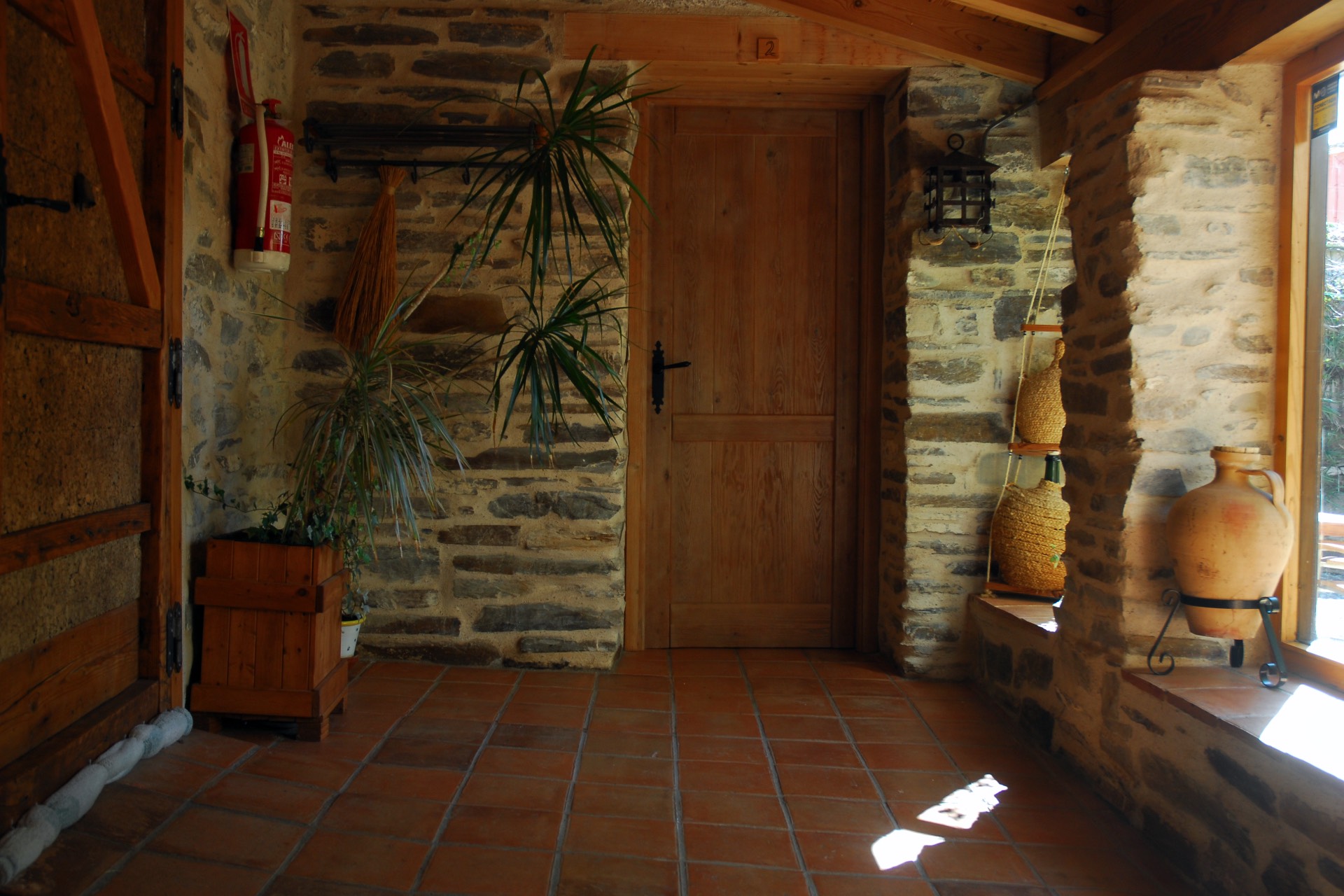
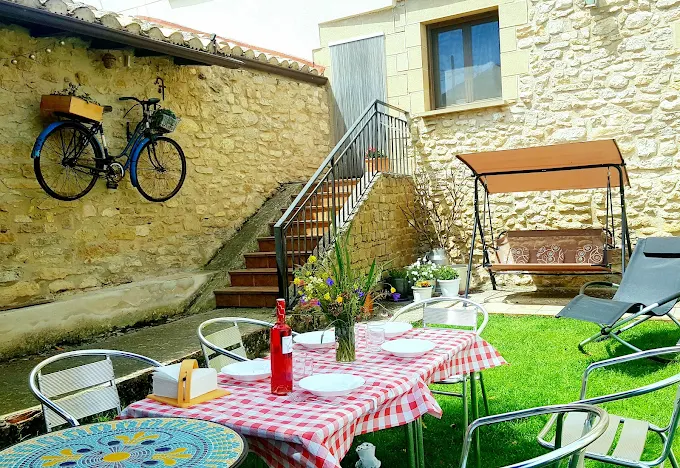
The backbone of Spanish rural tourism. Organic olive, almond and citrus farms, restored cortijos, Catalan masías. The best ones run on solar, harvest their water and sell their own oil at the door.

Yurt

Few in number, mostly within eco-communities in the Alpujarras, inland Catalonia and Navarre. Wood stove, dry toilets, communal spirit. Often tied to yoga retreats or permaculture projects.

Shepherd hut and tiny house

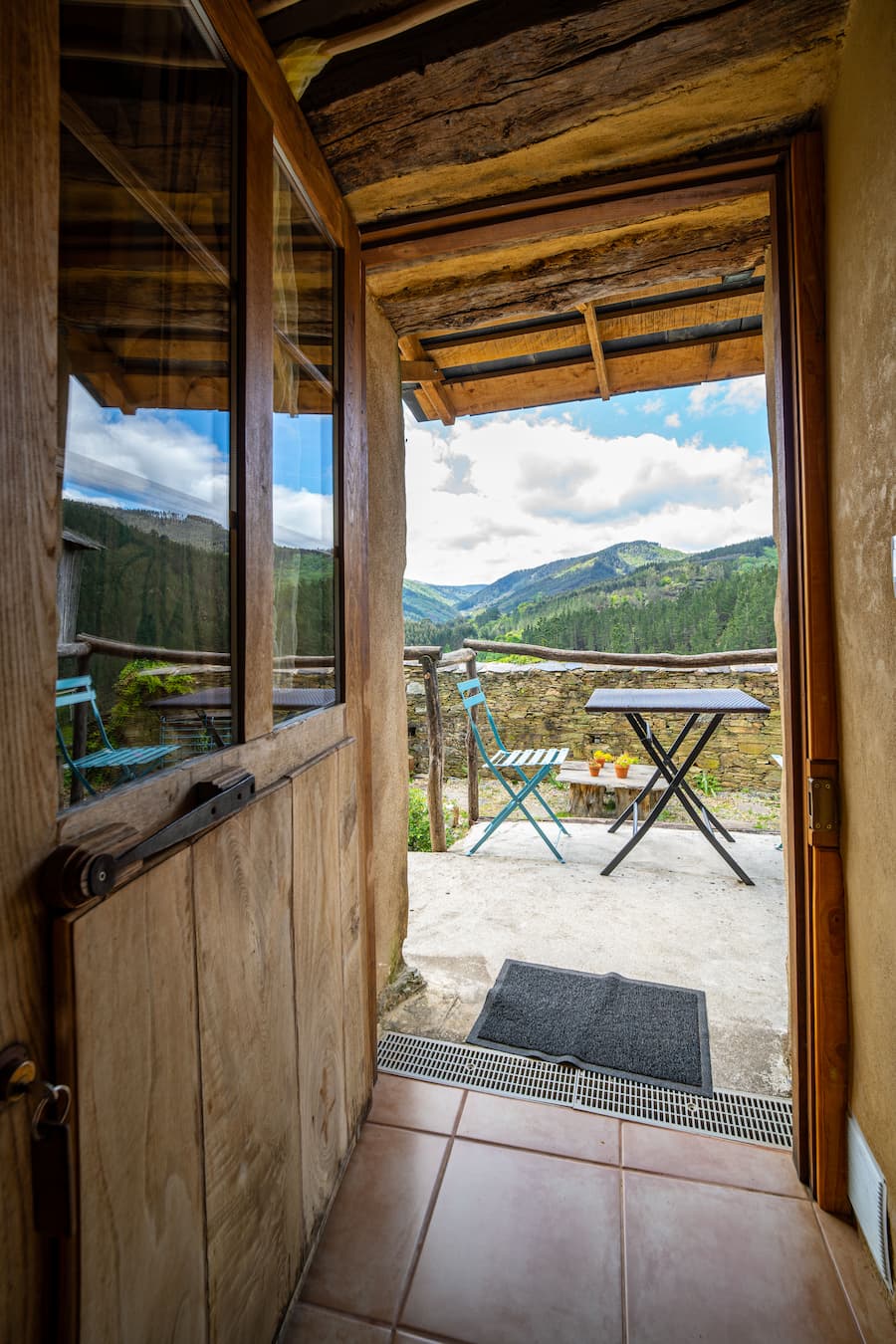
Restored refugios de pastor in the Aragonese Pyrenees, Castile and the Picos de Europa, plus mobile tiny houses almost everywhere. Sober format, tiny ground footprint, often off-grid. The most honest entry point in the country.

Where to stay in Spain

Andalusia (Granada, Guadix, Alpujarras, Cazorla)

The heart of European cave dwelling. Guadix, Baza, Galera and Purullena for casas cueva; the Alpujarras for eco-communities; Cazorla, Aracena and the Sierra Morena for cabins and stargazing. Scorching inland summers: aim for March–May and September–November.

Catalonia (Montsec, Pyrenees, Empordà)

The Montsec Starlight Reserve has one of the darkest skies in Western Europe: bubbles, domes and observatories cluster there. Add the restored masías of the Empordà and the cabins of the Pallars and the Cerdanya.

Basque Country and Navarre

Green, humid, temperate — the anti-cliché Spain. The Irati beechwoods, the Baztan valleys, restored Basque caseríos, treehouses. This is where you can sleep somewhere unusual in mid-August without suffering.

Asturias, Cantabria and the Picos de Europa

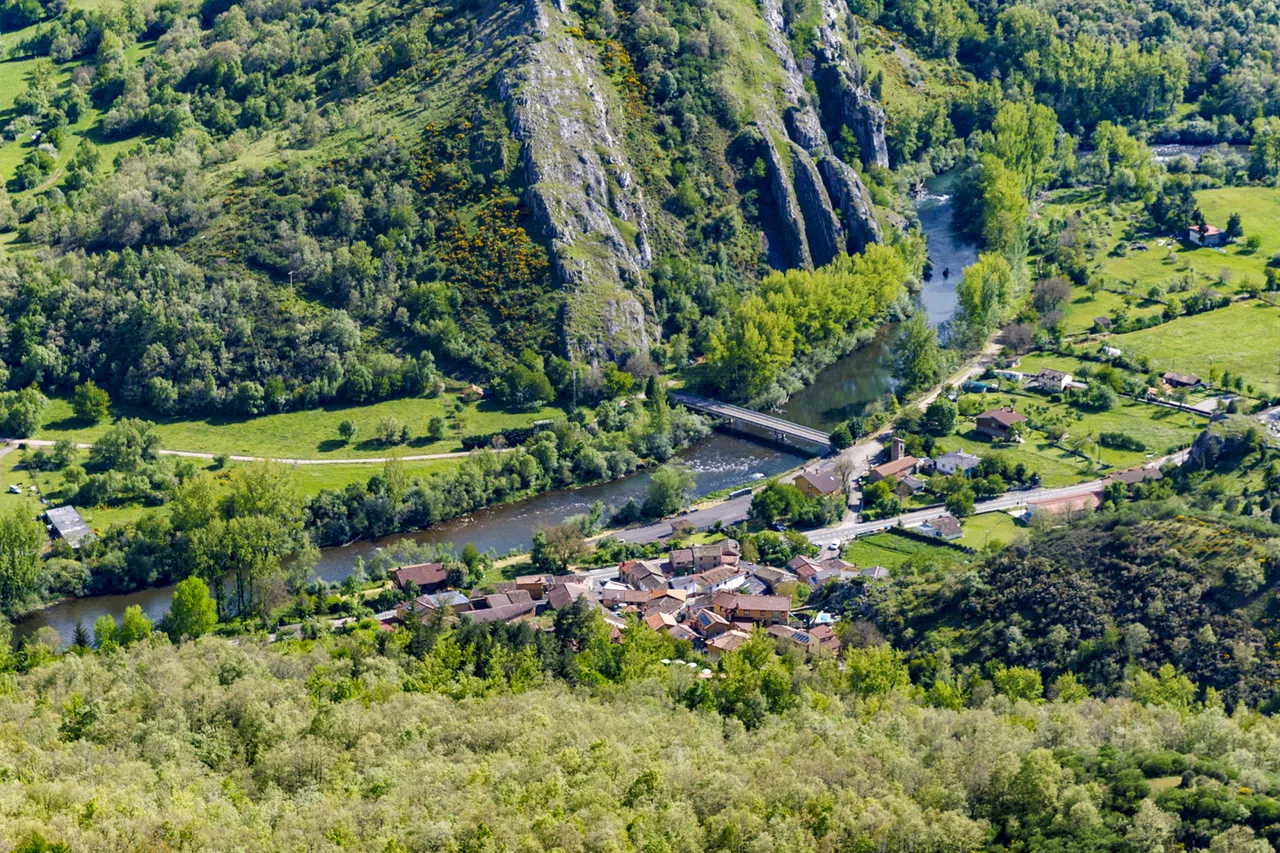
Green mountains, hórreos, shepherd huts, valley ecolodges. One of the few Spanish regions where water is not a problem — and where the train still reaches the villages.

Galicia

Atlantic forest, mist, rías. Galician treehouses are among the finest in the country, often perched in oak or chestnut woods. Ideal from June to September.

Aragon and the Pyrenees (Sobrarbe, Gúdar-Javalambre)

Sobrarbe canyons, the Gúdar-Javalambre Starlight Reserve, abandoned villages turned into eco-communities. Astronomy, silence, altitude: the best unusual-to-authentic ratio in Spain.

Castile, Extremadura and the Canary Islands

Castile for stone casas rurales and immense skies; Extremadura for the dehesas and the nearby Alqueva dark-sky area; the Canaries for the cave houses of Lanzarote and the skies of La Palma, arguably the purest in Europe.

Typical prices in Spain

Observed ranges for two people, one night. The Spanish market remains markedly more affordable than the French or Belgian one: expect €80–€220 for the vast majority of stays, with bubbles and hot-tub domes at the top end.

Yurt in an eco-community€70 – €110
Cave house (2 people)€80 – €130
Shepherd hut / tiny house€90 – €140
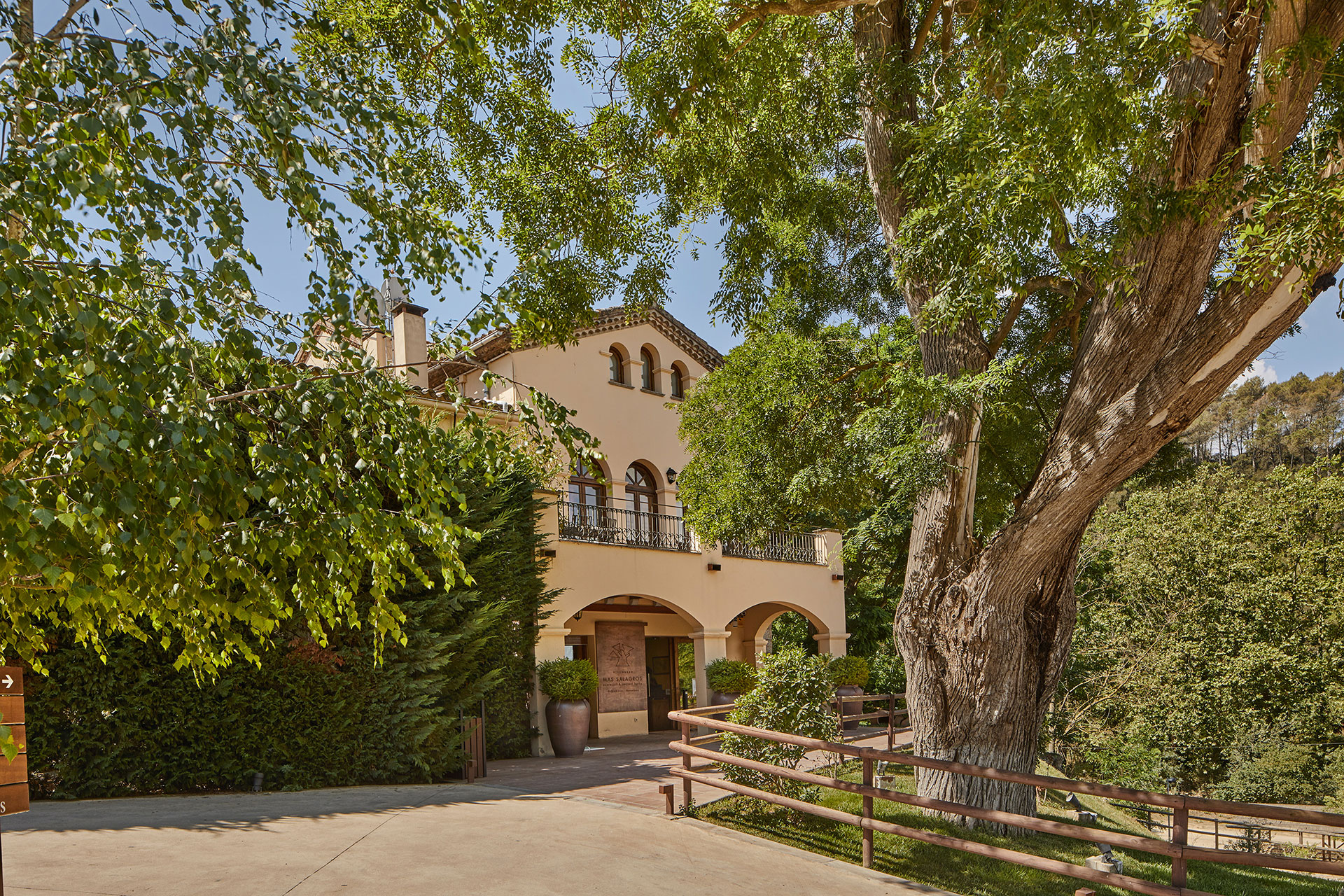
Eco casa rural or organic finca€100 – €160
Glamping (lodge tent, tipi)€110 – €170
Treehouse€130 – €210
Geodesic dome€140 – €230
Stargazing bubble (with hot tub)€190 – €320

August is the worst season at the best price in the south, and the best season at the worst price in the north. A Wednesday in October in a cave house often costs 40% less than an Easter Saturday — and the air is perfect.

When to go

Spring · March to May

The best season, no argument. Almond and olive blossom, green sierras, cool nights, clear skies. Holy Week aside, prices stay gentle.

Summer · June to August

The interior and the south turn furnace-hot — 40 °C in Guadix, 42 °C in Extremadura. Two strategies: head north to green Spain (Asturias, Galicia, Basque Country, Pyrenees), or go underground into a naturally cool casa cueva.

Autumn · September to November

The second great window. Grape harvest, chestnuts, low light, ideal stargazing nights. Few people, falling rates from mid-September.

Winter · December to February

Underrated. The south stays mild, the Canaries sit at 20 °C, cave houses need only a fireplace, and the Sierra Nevada is under snow an hour from Guadix. The country’s best-value low season.

What we check before listing

In Spain the ecological question is not primarily carbon: it is water. Our six criteria are ranked by their real weight on the ground.

1

Water — criterion number one

Spain is under severe water stress: several Andalusian and Catalan basins regularly enter drought emergency. A private pool filled in Andalusia in August is an alarm signal for us, not a selling point. We favour rainwater harvesting, greywater reuse, dry or low-flow toilets, xeriscaped gardens with no lawn, limited showers, and transparency about litres consumed per night.

2

Thermal inertia rather than air conditioning

A cave house consumes almost nothing because the rock does the work. Conversely, a badly oriented dome with air conditioning running 14 hours a day in August is ecological in name only. We look at orientation, shading, cross-ventilation, wall thickness, shutters and patios before we look at the air conditioner.

3

Energy

Photovoltaic and thermal solar (Spain is the sunniest country in Europe: not using that is a failure), heat pumps, wood stoves burning local timber. Self-consumption with batteries is now standard in serious fincas.

4

Materials and building

Rehabilitation rather than new build: cortijo, masía, cueva, hórreo, refugio. Stone, rammed earth, lime, local timber, bio-based insulation. We are wary of “eco-domes” in plastic canvas dropped onto a concrete slab.

5

Food and local roots

Olive oil from the finca, vegetables from the huerta, wine from the comarca, cheese from the village. Rural Spain has an exceptional short-supply gastronomy: a committed host keeps it alive rather than serving an industrial buffet.

6

Certifications

EU Ecolabel, Biosphere Responsible Tourism (the Spanish benchmark, run by the Responsible Tourism Institute), casas rurales certified by the autonomous communities, Starlight certification for astrotourism, certified organic farming (CAAE, CCPAE). A self-awarded label counts for nothing.

Frequently asked questions

Where can I sleep in a cave house (casa cueva) in Spain?

Mainly on the Granada altiplano: Guadix — more than 2,000 carved dwellings, the largest cave quarter in Europe — plus Baza, Galera, Purullena and Benalúa. There are also cave houses in Aragon, the Navarrese Bardenas and Lanzarote. The temperature stays around 18–20 °C all year.

Is a cave house really ecological?

It is probably the most frugal stay in the country. The rock’s thermal inertia removes the need for air conditioning in summer and sharply cuts heating in winter. Two things still need checking: water management and electricity (solar or not). A cueva with a pool filled in August loses the whole point.
Where can I stargaze from a bubble or a dome in Spain?

The best skies are in the Starlight reserves: Montsec in Catalonia, Gúdar-Javalambre in Aragon, the Sierra Morena and the Sierra Sur de Jaén in Andalusia, and La Palma in the Canaries, among the purest skies on Earth. Extremadura also benefits from the nearby Alqueva dark-sky area.

Can you do a unique stay in Spain in August?

Yes, but not just anywhere. The interior and the south regularly pass 40 °C, which is unliveable inside an unventilated bubble. Two good August options: green Spain in the north (Asturias, Galicia, Basque Country, Pyrenees), or a casa cueva, naturally cool even in a heatwave.

Should I be wary of stays with a swimming pool?

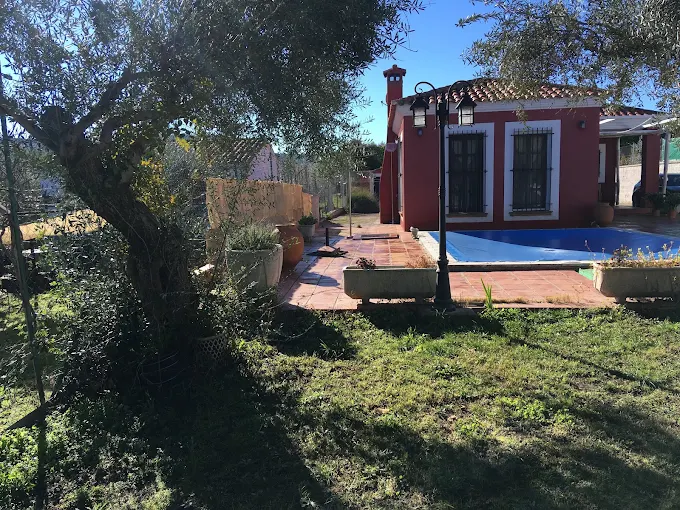
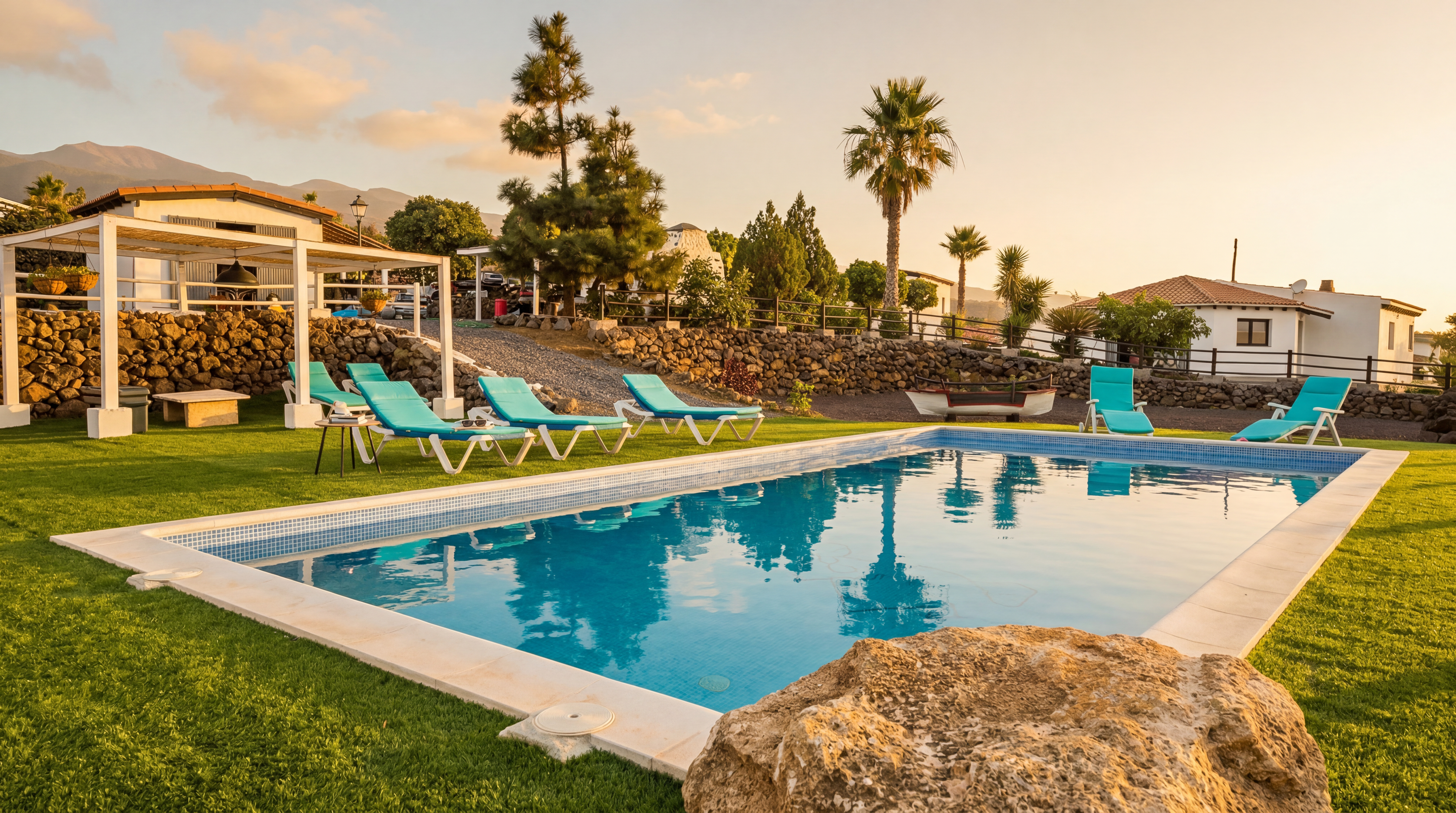
In water-stressed regions — Andalusia, inland Catalonia, Murcia, Alicante — yes. An uncovered private pool can lose several cubic metres a week to evaporation alone. We favour shared natural pools, covered pools out of season, or simply no pool at all.

What budget should I plan for a unique night in Spain?

€80–€130 for a cave house, €130–€210 for a treehouse, €140–€230 for a dome, and €190–€320 for a bubble with a private hot tub under a Starlight sky. Spain remains noticeably cheaper than France or Belgium.

Can you go without a car?

Possible, but harder than in northern Europe. The AVE network reaches Granada, Seville, Barcelona, Santiago and Valencia within hours of Madrid; from there, many rural hosts arrange a transfer from the station. The easiest car-free regions are Asturias, the Basque Country and Catalonia.

Explore other destinations

Spain is an ideal gateway to the south. Here is what comes next.

Do you run a unique stay in Spain?

We are actively looking for genuinely committed cave houses, organic fincas, domes, cabins and eco-communities — especially on water management. Direct listing: free, for life. No commission.

Updated : July 10, 2026