ecobookingGuidesGermany
Unique and eco-friendly stays in Germany

Guide · Germany

Unique and eco-friendly stays in Germany

Certified bio-hotels, shepherd wagons in the Black Forest, treehouses, Demeter farms in Bavaria, Spreewald cabins reached by punt. The European country where “ecological” is most often a verifiable fact rather than a marketing line.

ecobooking·16 stays·Updated July 10, 2026
Also available in:FrançaisDeutschEspañolItalianoPortuguês

Germany is not the first place people think of for an unusual night — and that is a misreading. The country runs the most rigorous network of certified eco-accommodation in Europe: BIO HOTELS require 100% certified organic cooking, independently audited, from breakfast through to dinner. No other European hotel charter goes that far. Around that core sit the Naturhotels, the Bioland and Demeter farms, and a very real culture of the unusual: Schäferwagen (shepherd wagons) in Swabian meadows, Baumhaushotels in Bavaria and Thuringia, tiny houses at the forest edge.

The other German advantage is the one nobody talks about: the train. The network is dense, regional connections reach the Black Forest valleys, the Spreewald and the Harz, and the Deutschlandticket makes local travel almost trivial. A car-free unusual stay is not only possible here — it is often simpler than driving. At ecobooking we check energy, water, materials, food, certifications and rail access, and score every stay from 0 to 100. You contact the host directly. No booking fee is added to your night.

Certified bio-hotelsNaturhotelsShepherd wagonsTreehousesTiny housesDemeter farmsSpreewald cabinsAlpine huts

Our selection in Germany

Sorted by eco-score
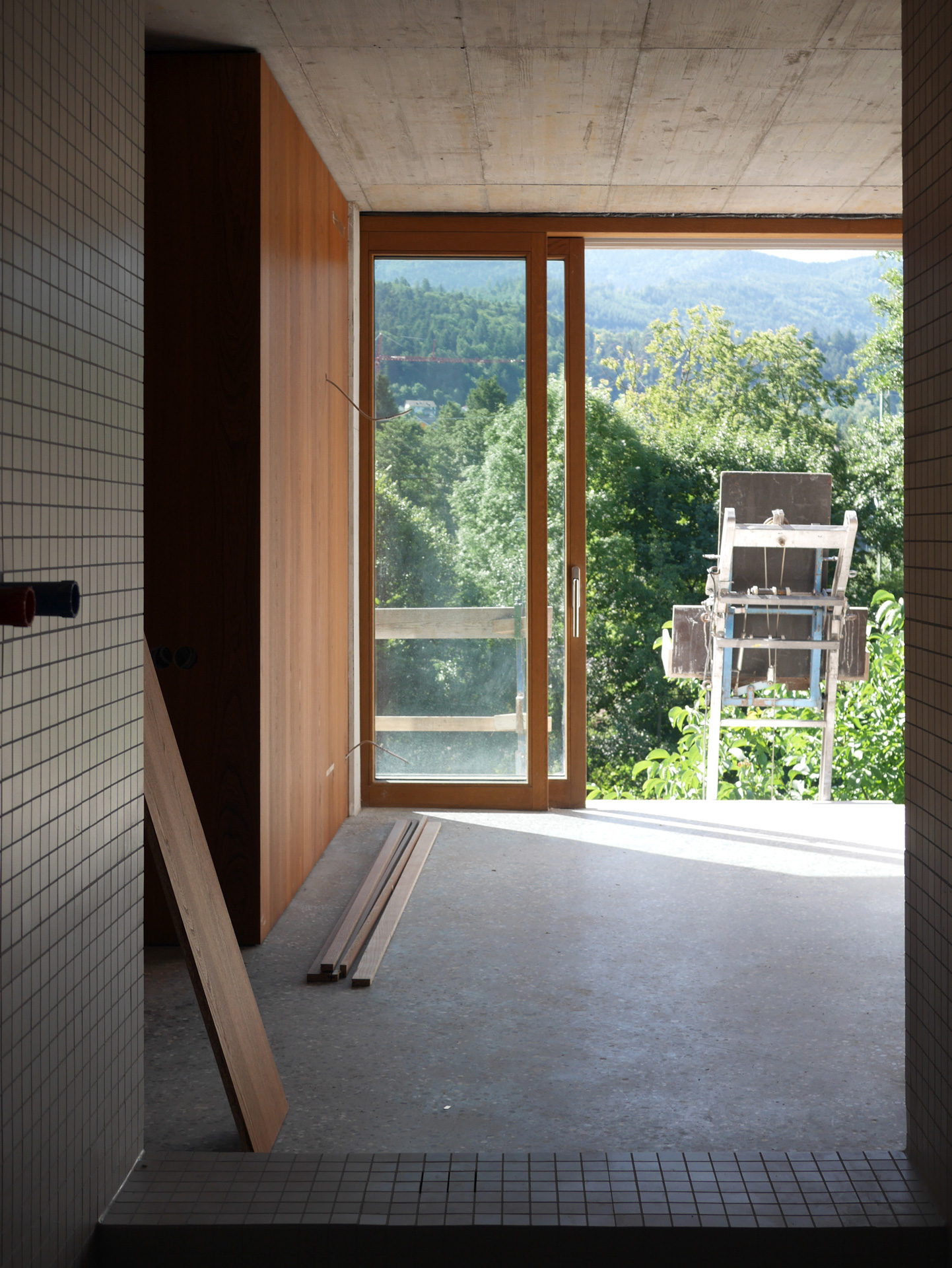
Artbau Designhotel — Waldkirch🌿 Eco-score 91

Waldkirch · Schwarzwald

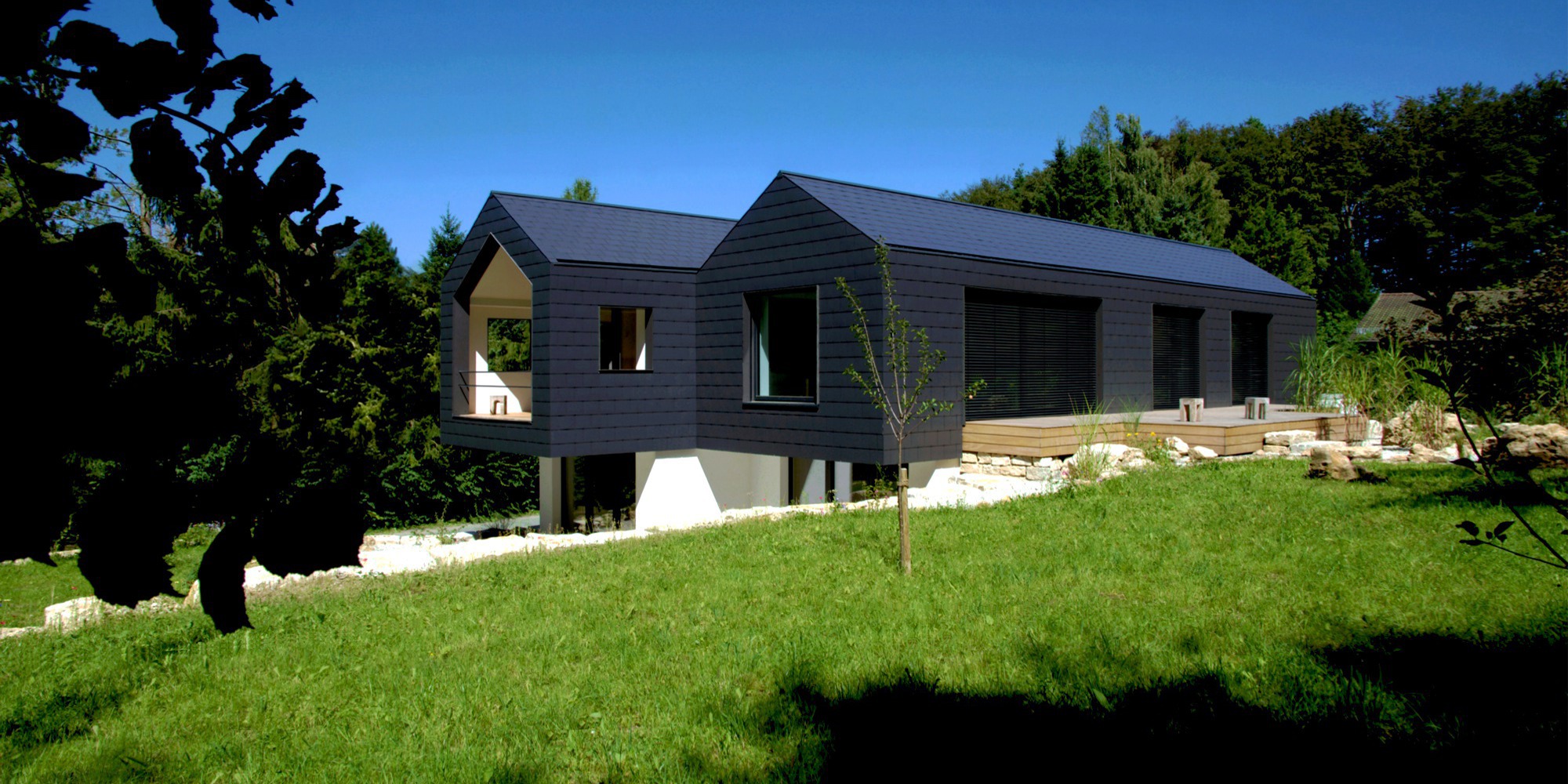
Artbau Designhotel

€125 / nightView listing →
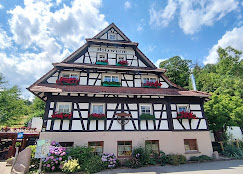
Naturhotel Holzwurm — Sasbachwalden🌿 Eco-score 91

Sasbachwalden · Schwarzwald

Naturhotel Holzwurm

€94 / nightView listing →
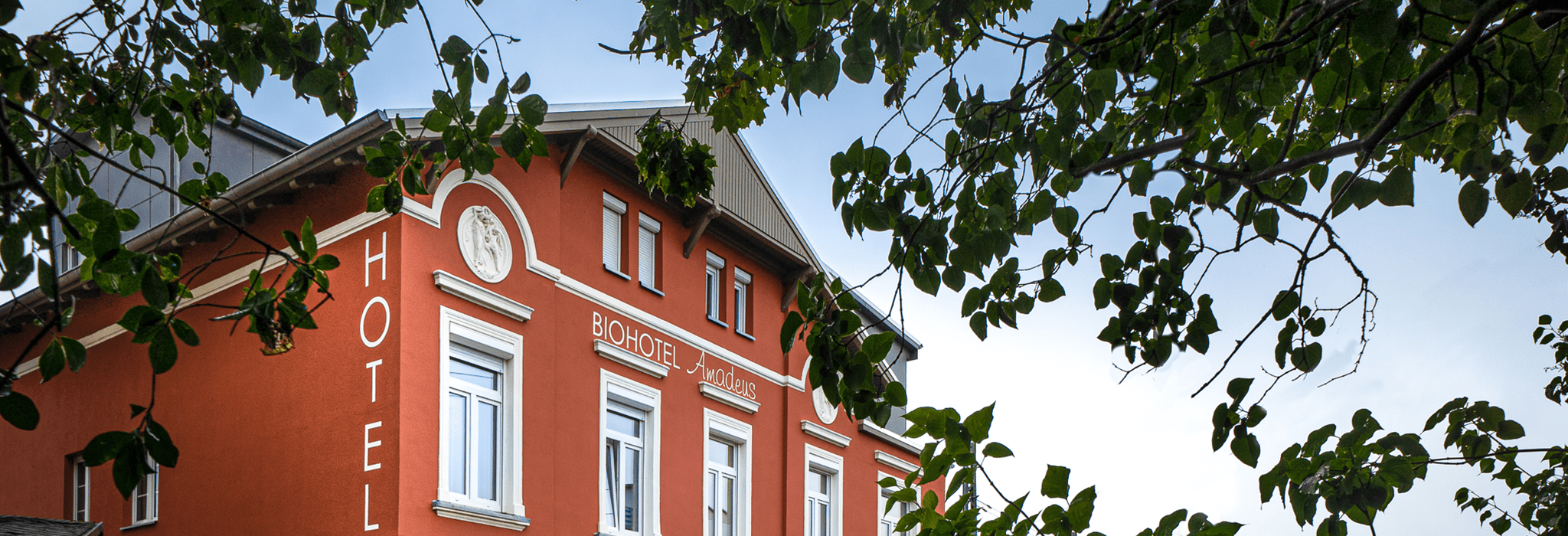
Biohotel Amadeus Schwerin — Schwerin🌿 Eco-score 90

Schwerin · Nordsee & Ostsee

Biohotel Amadeus Schwerin

€85 / nightView listing →
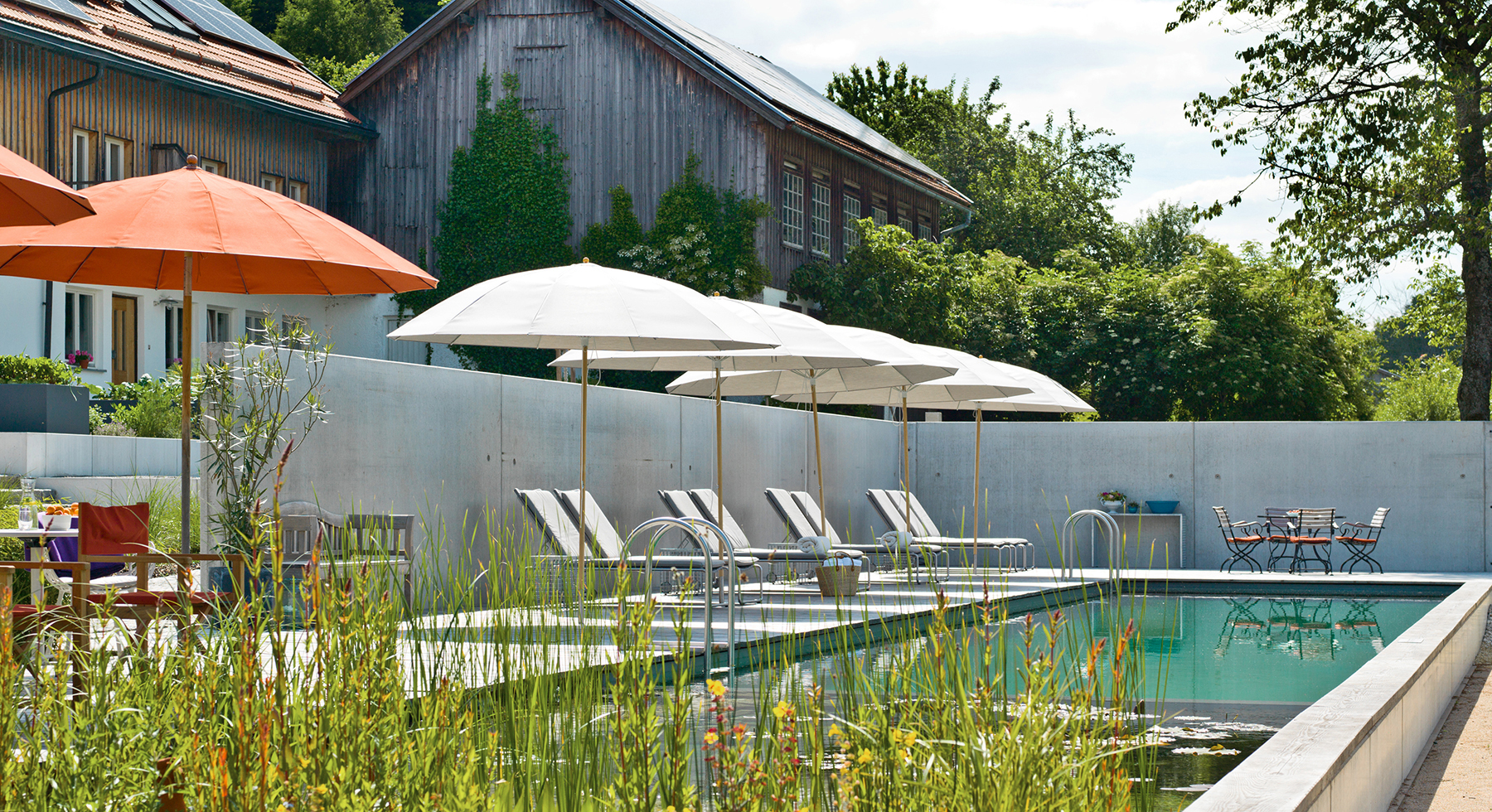
Biohotel Pausnhof — St. Oswald🌿 Eco-score 90

St. Oswald · Bavaria

Biohotel Pausnhof

€180 / nightView listing →
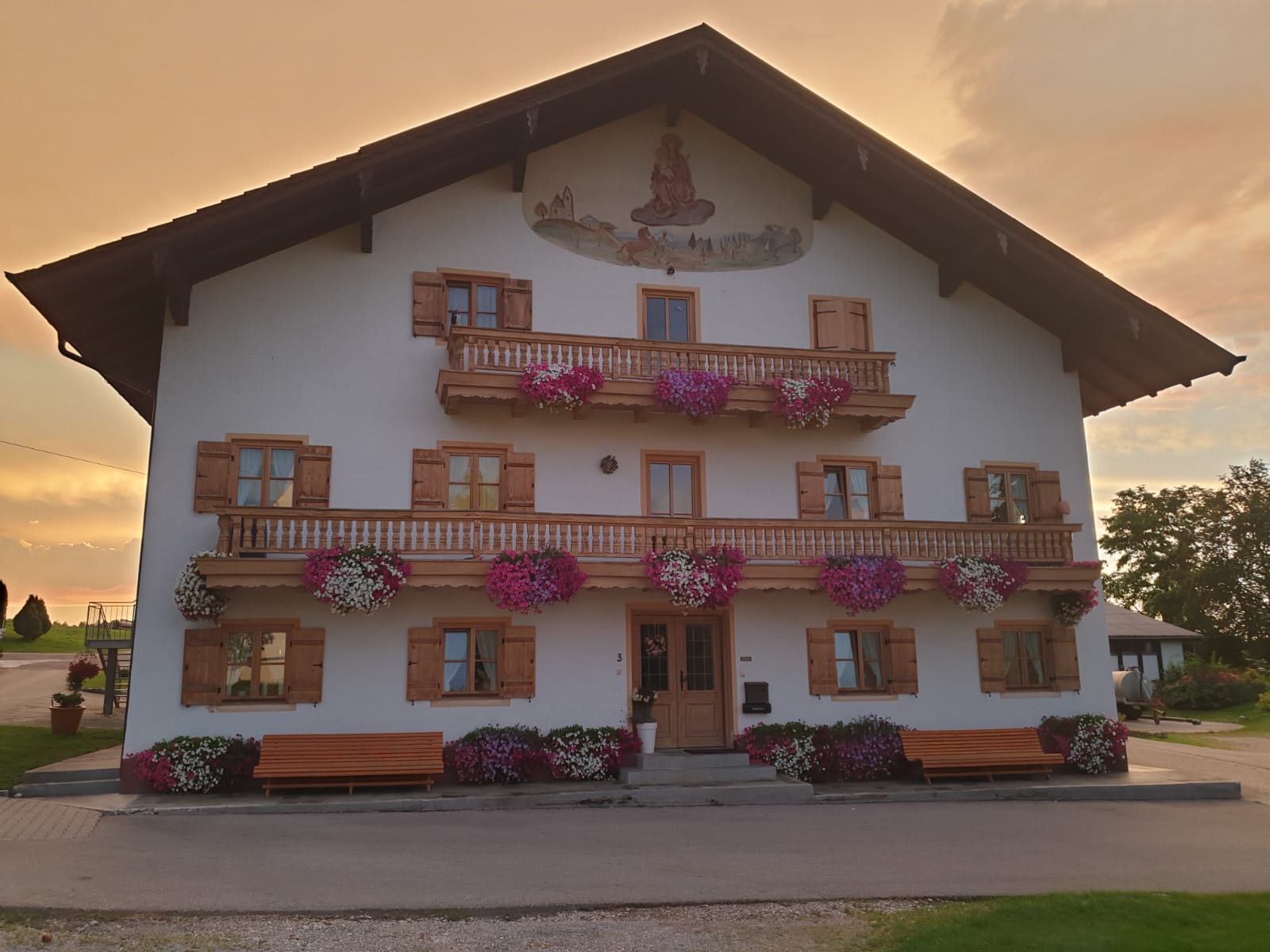
Bio Ferienhof Heiler — Feldkirchen-Westerham🌿 Eco-score 89

Feldkirchen-Westerham · Bavaria

Bio Ferienhof Heiler

€80 / nightView listing →
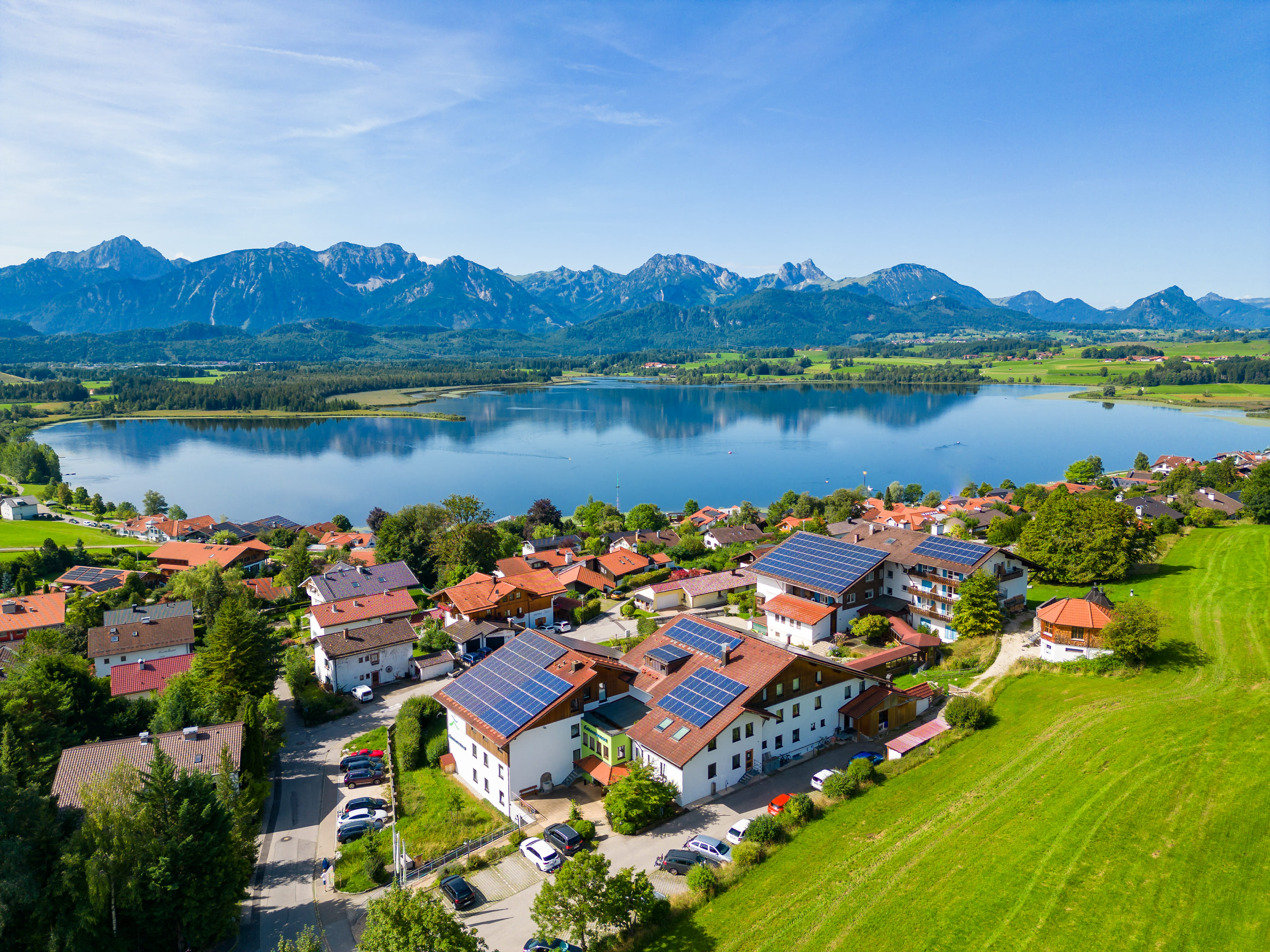
Bio-Berghotel Ifenblick — Balderschwang🌿 Eco-score 89

Balderschwang · Bayern & Alpen

Bio-Berghotel Ifenblick

€172 / nightView listing →
REFUGIUM.BETZENSTEIN  |  BIO.DESIGN.FERIENWOHNUNGEN   — 91282 Betzenstein🌿 Eco-score 88

91282 Betzenstein · Bavaria

REFUGIUM.BETZENSTEIN | BIO.DESIGN.FERIENWOHNUNGEN

/ nightView listing →
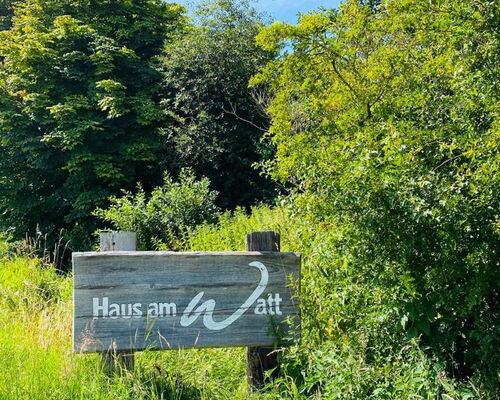
Biohotel Haus am Watt — Friedrichskoog🌿 Eco-score 87

Friedrichskoog · Nordsee & Ostsee

Biohotel Haus am Watt

€115 / nightView listing →
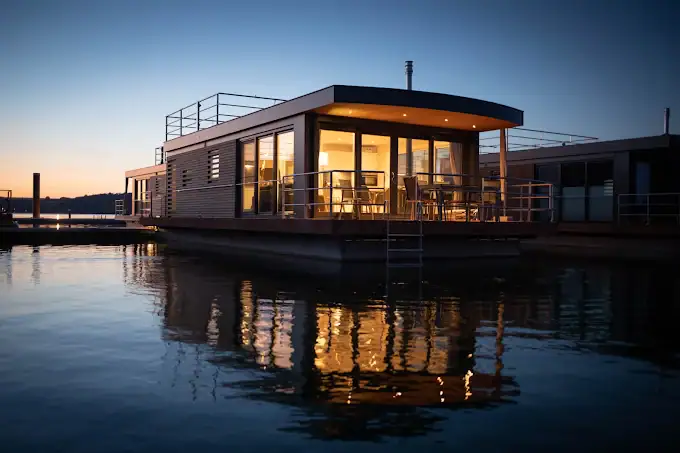
Eco Lodges Floating Village Brombachsee — Pleinfeld🌿 Eco-score 87

Pleinfeld · Bavaria

Eco Lodges Floating Village Brombachsee

€325 / nightView listing →
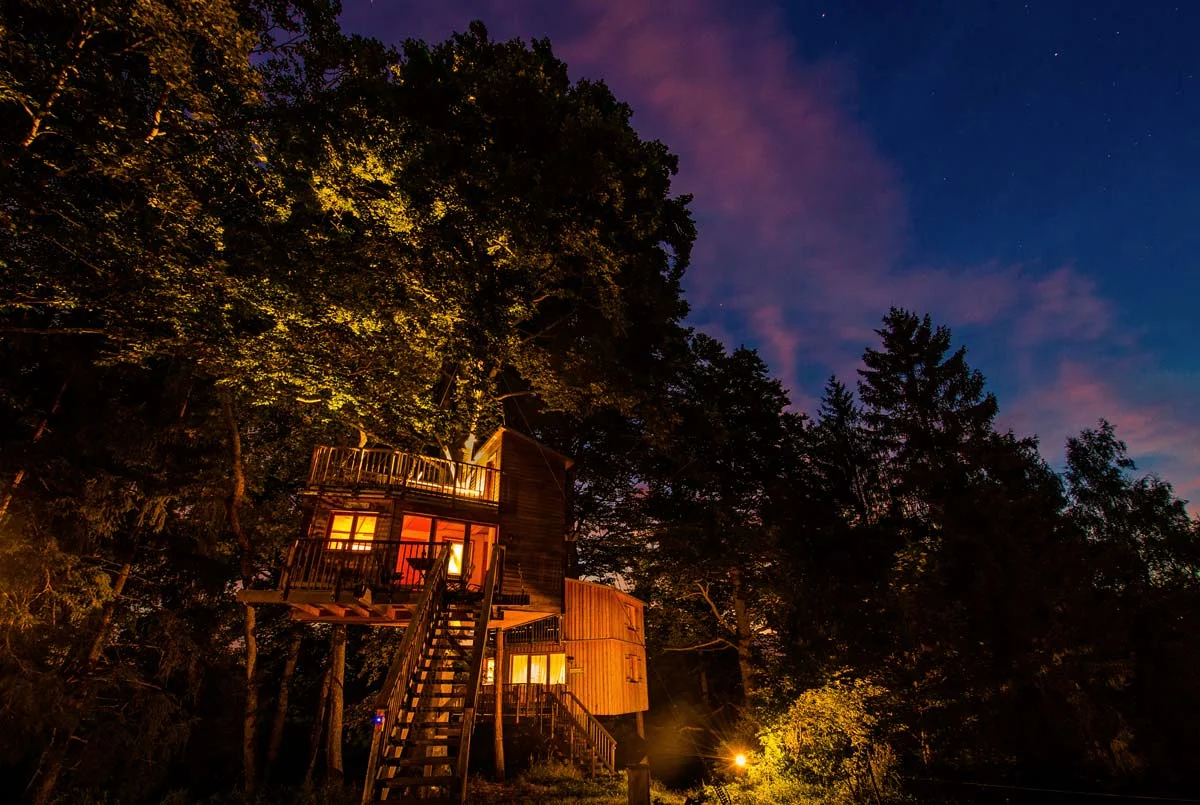
Baumhaushotel Allgäu — Missen-Wilhams🌿 Eco-score 83

Missen-Wilhams · Bayern & Alpen

Baumhaushotel Allgäu

€180 / nightView listing →
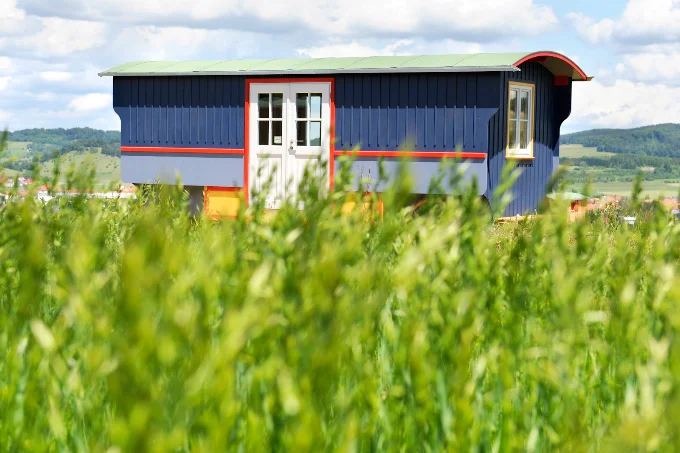
Schäferwagenhotel Wildberg — Wildberg🌿 Eco-score 83

Wildberg · Schwarzwald

Schäferwagenhotel Wildberg

€65 / nightView listing →
Landofgreen Naturresort — Lübbenau🌿 Eco-score 83

Lübbenau · Brandenburg & Spreewald

Landofgreen Naturresort

€165 / nightView listing →
Black Forest Lodge — Feldberg🌿 Eco-score 81

Feldberg · Black Forest

Black Forest Lodge

€100 / nightView listing →
Anton & Cilli Hideaway Lodges — Obermaiselstein🌿 Eco-score 79

Obermaiselstein · Bavaria

Anton & Cilli Hideaway Lodges

€190 / nightView listing →
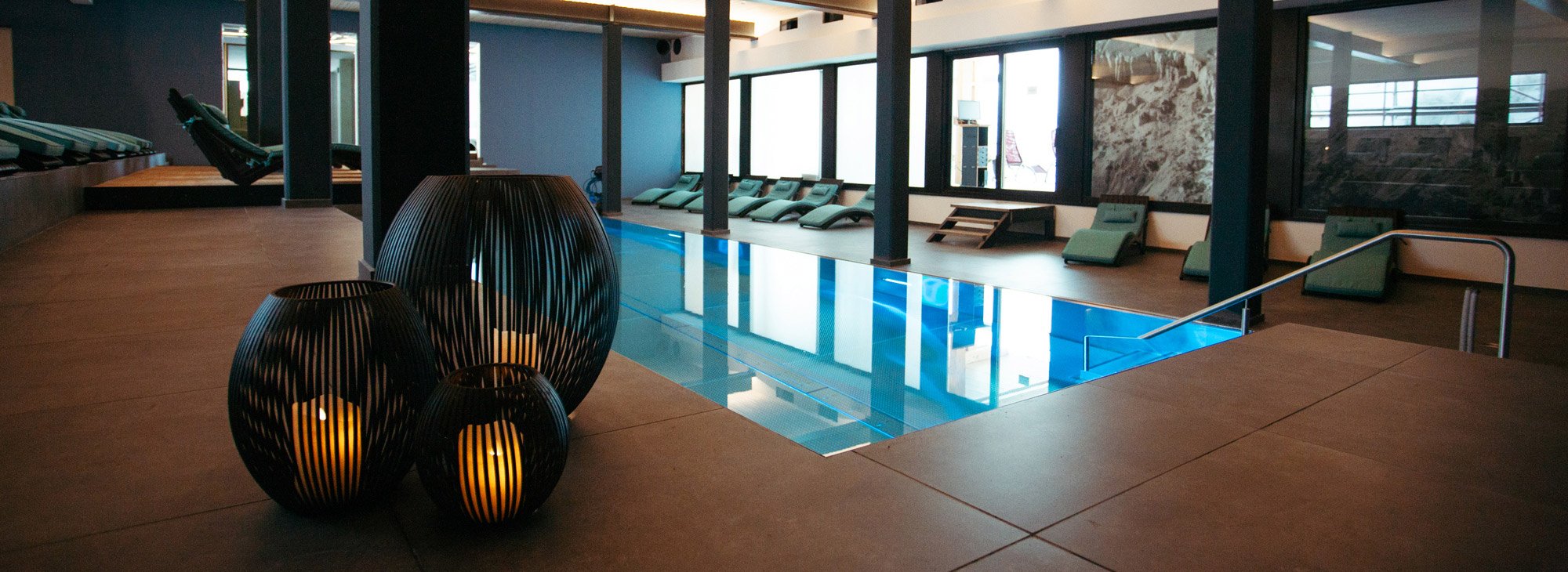
Engel Obertal — Wellness & Genuss Resort 5★ Schwarzwald — Baiersbronn🌿 Eco-score 75

Baiersbronn · Baden-Württemberg

Engel Obertal — Wellness & Genuss Resort 5★ Schwarzwald

€234 / nightView listing →
Burgunderhof Bodensee — Hagnau🌿 Eco-score 73

Hagnau · Bayern

Burgunderhof Bodensee

€0 / nightView listing →

What you will — and will not — find in Germany

Certified Bio-Hotel

The German pillar, and the country’s real argument. The BIO HOTELS label mandates 100% certified organic cooking: every ingredient, from the bread to the wine, comes from controlled organic agriculture, with traceability audited annually. Add green electricity, natural textiles and a regional purchasing policy. This is not a logo you buy: it is a binding standard, and the strictest in Europe.

Naturhotel

A cousin of the Bio-Hotel, usually smaller and more rural. Solid timber construction, bio-based insulation, biomass or geothermal heating, a wood-fired spa. Not all of them push the kitchen to 100% organic, which is why the detail matters: we always state which certifications are actually held.

Schäferwagen (shepherd wagon)

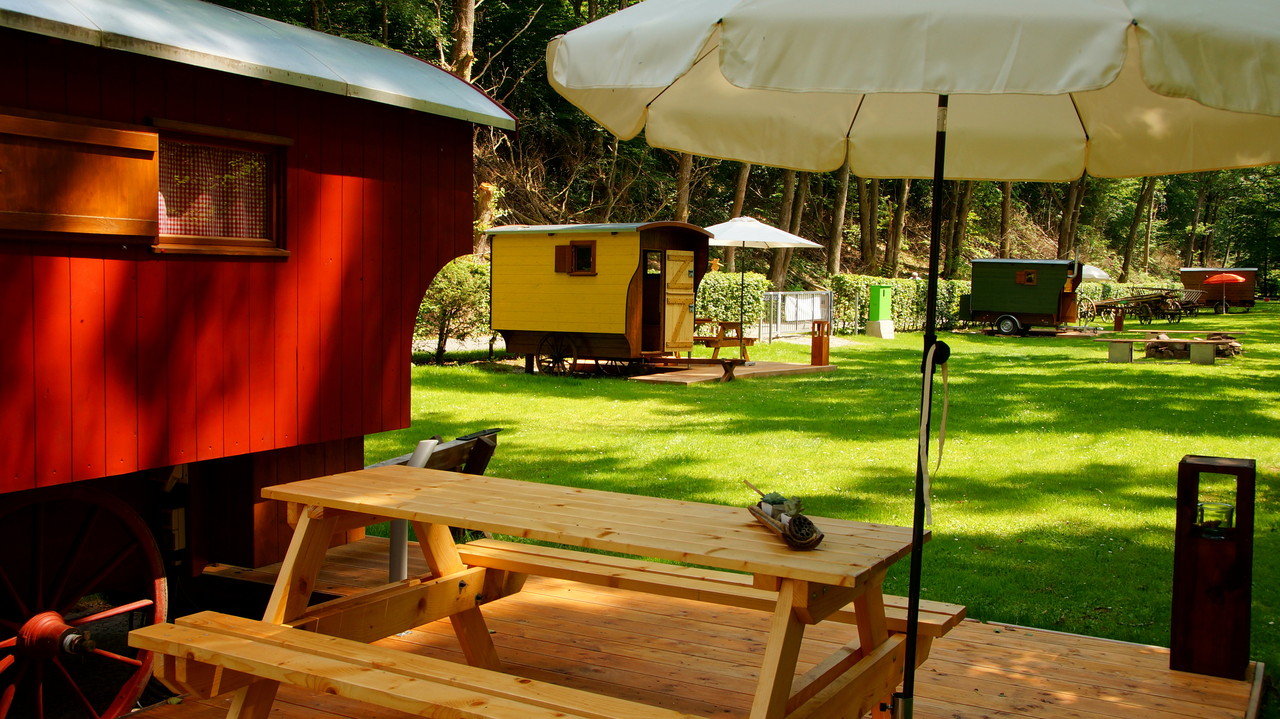
The most authentic German unique stay. These huts on wheels sheltered shepherds on the pastures of Swabia and the Black Forest; restored, they offer a bed, a stove, a lamp and nothing else — sometimes a hot tub a few steps away. The Black Forest even has genuine Schäferwagenhotels, where every room is a wagon standing in the meadow.

Baumhaushotel (treehouse)

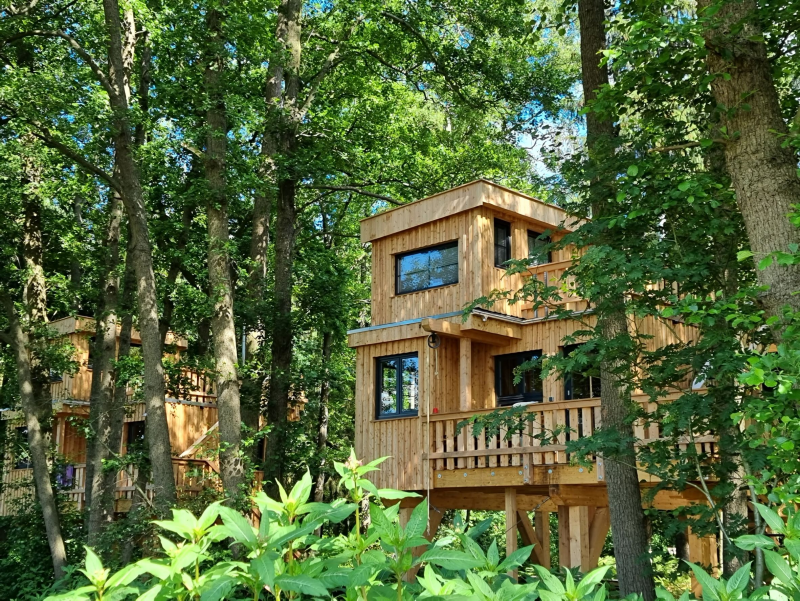
The German Baumhaus tends to favour robustness and four-season comfort over acrobatics: heating, insulation, integrated bathrooms. The finest are in Bavaria, Thuringia and the Harz, sometimes inside certified forests or on the edge of a nature park.

Tiny house

Growing fast — on farms, inside Naturparks, beside the Brandenburg lakes. The German tiny house is generally well insulated (winters demand it), fitted with dry or separating toilets, and often partly solar-autonomous.

Organic farm (Bioland, Demeter, Naturland)

“Urlaub auf dem Bauernhof” is a German institution, and its organic version is tightly regulated. A Demeter farm works biodynamically; Bioland and Naturland go beyond the EU organic standard. You sleep in a room, an apartment or a converted barn, and breakfast on what the farm produces.

Spreewald cabin

The Spreewald is a labyrinth of canals an hour from Berlin, a UNESCO biosphere reserve. Some stays are reachable only by punt or canoe: you load your bags onto the Kahn and glide between the alders. Silence guaranteed, mosquitoes included in summer.

Alpine hut and mountain inn

In the Bavarian Alps and the Allgäu: staffed huts, mountain guesthouses and Berggasthöfe reached on foot. Wood heating, regional cooking, often no car for the final kilometres. The most frugal form of German accommodation.

Where to stay in Germany

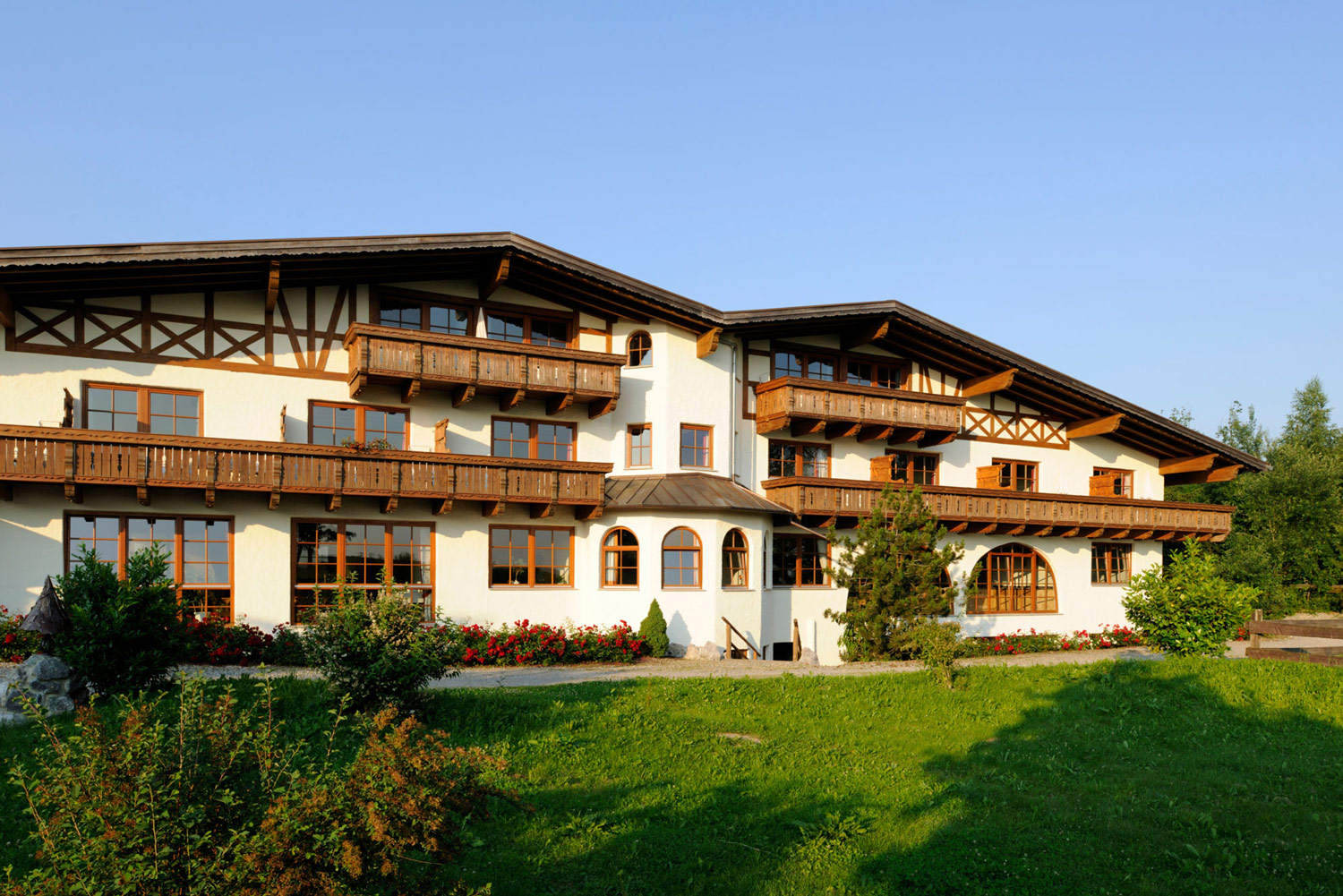
Black Forest (Schwarzwald)

The densest eco-accommodation region in the country. Deep valleys, farmhouses with roofs sweeping down to the ground, firs. This is where the Schäferwagenhotels, the valley Naturhotels and the historic Bio-Hotels are concentrated. Direct rail access via Freiburg, Offenburg or Villingen, then a valley bus.

Bavaria & the Bavarian Alps

Our best-stocked region. Organic farms in the Allgäu, Naturhotels at the foot of the Alps, treehouses in Franconia, mountain huts. Munich is the rail gateway; from there the whole south is reachable on regional trains.

Spreewald & Brandenburg

A UNESCO biosphere reserve an hour from Berlin on the RE. Canals, alder forests, gherkins and punts. Waterside stays, tiny houses by the Brandenburg lakes, organic farms in conversion.

North Sea & Baltic

Halligen, dunes, salt marshes, car-free Frisian islands (Juist, Langeoog, Spiekeroog). The German coast excels at low-carbon stays: boat or train required, bikes on site, wind power everywhere.

Harz & Thuringia

Wooded uplands, reintroduced lynx, the primeval beech forests of the Hainich (UNESCO). Treehouse hotels and organic farms are plentiful, prices are markedly softer than in Bavaria, and winter is real.

Rhineland & Eifel

Extinct volcanoes, maar lakes, the Eifel national park — one of Germany’s first International Dark Sky Parks. Ideal for a night under the stars less than an hour from Cologne or Aachen.

Saxon Switzerland (Elbsandsteingebirge)

Sandstone towers, gorges, vertiginous trails, forty minutes from Dresden on the S-Bahn. Germany’s car-free hiking paradise: valley stays are reached by regional train, then on foot.

Typical prices in Germany

Observed ranges for two people, one night. The German market is broadly gentler than the French one on rural unique stays, but Bio-Hotels with a spa and organic half-board are priced accordingly — and the food is part of the value.

Room on an organic farm (Bioland, Demeter)€70 – €120
Schäferwagen (shepherd wagon)€80 – €140
Eco-conscious B&B€90 – €150
Tiny house€100 – €170
Eco cottage / organic holiday apartment€110 – €180
Waterside stay (Spreewald, lakes)€120 – €190
Bio-Hotel, double room with 100% organic breakfast€150 – €230
Treehouse hotel or Naturhotel with spa and half-board€190 – €330

School holidays are set by each Land, which staggers the peaks: Bavaria and Baden-Württemberg break up later than the rest of the country. A Tuesday in November or March in the Black Forest often costs 30–40% less than a Saturday in August.

When to go

Spring · April to June

Flowering Allgäu meadows, forests in leaf, long days and rates still low. The best window for the Black Forest and the Harz, before the summer rush.

Summer · July and August

High season, especially in Bavaria and on the Baltic. The Spreewald is explored by punt, the Alps on foot — but book early: Bavarian organic farms fill months ahead.

Autumn · September to November

The most underrated season. Spreewald mist, Harz beeches, harvest in the Rhineland and Franconia. Low prices, empty trails, wood-fired spas finally welcome.

Winter · December to March

A genuine season in Germany, not a retreat. Reliable snow at altitude in the Black Forest and the Bavarian Alps, cross-country skiing, snowshoes, Christmas markets. Naturhotels run at full tilt: their biomass heating and spas were built for it.

What we check before listing

Germany has the advantage of genuinely binding labels — which lets us be demanding. Our six criteria are concrete and verifiable on site.

1

Energy

A contracted green electricity supply (Ökostrom), biomass heating, pellets, geothermal, solar thermal. Rooftop photovoltaics are ordinary in Germany: their absence on a new “ecological” building is a question worth asking.

2

Water

Dry or separating toilets, rainwater harvesting, reed-bed treatment, flow restrictors. On the coast and in Brandenburg, water availability is a genuine issue.

3

Materials

Local timber (Black Forest fir, spruce), clay, wood fibre, hemp. Ecological building is an established German craft: we expect better than cladding bolted onto concrete.

4

Food

This is where Germany outclasses the field. A BIO HOTEL serves 100% certified organic produce — not “some organic”, all of it. Elsewhere we look at the organic share, the regional sourcing, and the link to nearby Bioland or Demeter producers.

5

Mobility

The decisive criterion in Germany. A dense rail network, the Deutschlandticket, valley buses, on-demand RufBus, free guest transport cards in several regions (Konus in the Black Forest). A stay reachable by train plus twenty minutes of bus scores well — and there are many.

6

Certifications

BIO HOTELS (the strictest), Viabono, Bioland, Demeter, Naturland, Grüner Schlüssel (Green Key), TourCert, Blaue Schwalbe. Self-awarded labels count for nothing; we check the control number and the audit date.

Frequently asked questions

What is a Bio-Hotel, and how is it different from an “eco” hotel?

A certified BIO HOTEL commits to 100% certified organic cooking, independently audited — from the morning coffee to the evening wine. Most European hotel labels stop at gestures (linen, bulbs, recycling). Germany sets the bar at the plate, which is far harder to fake.

Can you visit these stays without a car?

Yes, and this is Germany’s great strength. The rail network reaches the Black Forest valleys and the Harz villages; the Deutschlandticket covers every regional train and local bus on a monthly flat fee. Many hosts offer a station transfer, and several regions give overnight guests a free public transport card.

Where can I sleep in a Schäferwagen (shepherd wagon)?

Mainly in the Black Forest, in Swabia and across rural Baden-Württemberg, usually on a farm or in an isolated meadow. There are even Schäferwagenhotels where each room is a separate wagon, with bathrooms and sauna in a shared building.

Are there treehouses in Germany?

Yes, Baumhaushotels are well established, above all in Bavaria, Thuringia and the Harz. They tend to be better insulated and more comfortable than the European average, so they open year-round. Expect €190–€330 a night for the most accomplished.

What is there to do in winter?

A great deal. The Black Forest and the Bavarian Alps have a real winter season: cross-country skiing, snowshoeing, sledging, wood-fired spas. Naturhotels and Bio-Hotels stay open all year, heated on biomass. It is also when midweek rates are at their best.

Are organic farms suitable for children?

They are the ideal setting. Bioland and Demeter farms open to holidaymakers almost always have animals, access to the milking or the vegetable garden, and reduced children’s rates. It is the best value in German eco-accommodation.

How far ahead should I book?

For a Bavarian organic farm or a treehouse in summer: four to six months. For a Black Forest Bio-Hotel outside school holidays: three to four weeks is enough. The tight periods are southern Länder school holidays and the May bank-holiday bridges.

Explore other destinations

Germany combines beautifully with its neighbours — all reachable by train.

Do you run a Bio-Hotel, an organic farm or a unique stay in Germany?

We are actively looking for genuinely committed Bio-Hotels, Naturhotels, Bioland and Demeter farms, Schäferwagen, treehouses and tiny houses — particularly in the Black Forest, Bavaria and Brandenburg. Direct listing: free, for life. No commission.

Updated : July 10, 2026