ecobookingGuidesPortugal
Unique stays in Portugal

Guide · Portugal

Unique stays in Portugal

Domes planted in the Alentejo plain, cabins in the cork oaks, permaculture quintas, surf eco-lodges a short walk from the waves of the Costa Vicentina. A year-round destination — and one of the darkest skies in Europe.

ecobooking·24 stays·Updated July 12, 2026
Also available in:FrançaisDeutschEspañolItalianoPortuguês

In ten years Portugal has become the European laboratory of alternative accommodation. A land of eco-villages (Tamera, Vale de Lama), of quintas bought back and replanted in permaculture, of geodesic domes set out on the Alentejo plain, of surf lodges built from timber and cork behind the dunes of the Costa Vicentina. All at prices that remain below France or Spain — except in the Algarve and in high-end eco-resorts.

The country also faces one constraint nobody can ignore: water. The south lives through longer and longer droughts, and a “nature” stay with a watered lawn and a big heated pool is not ecological, whatever colour its logo is. At ecobooking we check what happens behind the photo — water, energy, materials, local roots — and score every stay from 0 to 100. You contact the host directly. No booking fee is added to your night.

Geodesic domesTreehousesGlampingTiny housesBubblesOrganic quintasSurf eco-lodgesYurts

Our selection in Portugal

Sorted by eco-score
Herdade do Freixo do Meio — Alentejo — Montemor-o-Novo🌿 Eco-score 86

Montemor-o-Novo · Alentejo

Herdade do Freixo do Meio — Alentejo

€75 / nightView listing →
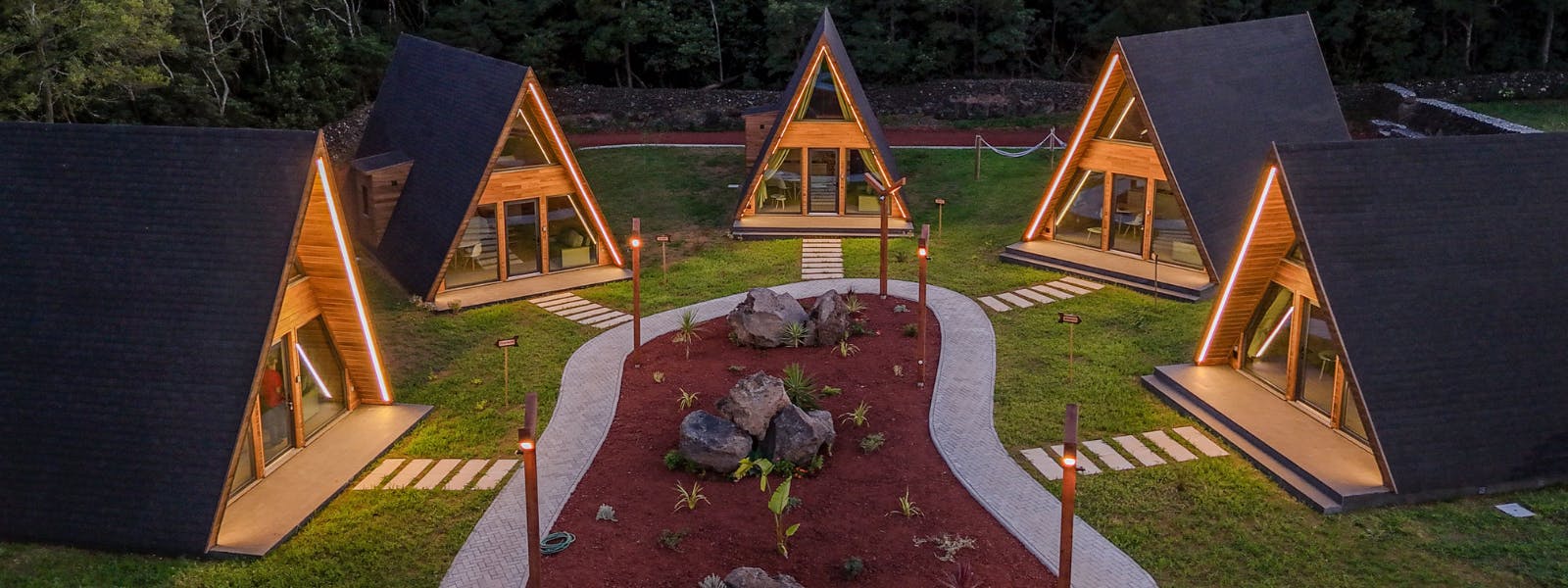
Caparica Azores Ecolodge — Praia da Vitória🌿 Eco-score 86

Praia da Vitória · Açores & Madeira

Caparica Azores Ecolodge

€195 / nightView listing →
Green Paradise Glamping — Vila Nova de Cerveira🌿 Eco-score 85

Vila Nova de Cerveira · Norte

Green Paradise Glamping

€110 / nightView listing →
SlowCowork – Quinta da Periquita Arrábida — Setúbal🌿 Eco-score 84

Setúbal · Lisboa

SlowCowork – Quinta da Periquita Arrábida

€25 / nightView listing →
Lima Escape Camping & Glamping — Ponte da Barca🌿 Eco-score 84

Ponte da Barca · Norte

Lima Escape Camping & Glamping

€25 / nightView listing →
Sóis Montejunto Eco Lodge — Alenquer🌿 Eco-score 84

Alenquer · Lisboa

Sóis Montejunto Eco Lodge

€140 / nightView listing →
Bela Vista Coliving & Retreat – East Algarve — Olhão🌿 Eco-score 83

Olhão · Algarve

Bela Vista Coliving & Retreat – East Algarve

€78 / nightView listing →
Vila Epicurea — Sesimbra🌿 Eco-score 83

Sesimbra · Setúbal

Vila Epicurea

€150 / nightView listing →
Quinta das Escomoeiras — Celorico de Basto🌿 Eco-score 83

Celorico de Basto · Norte

Quinta das Escomoeiras

€104 / nightView listing →
Portugal Nature Lodge — São Luís🌿 Eco-score 82

São Luís · Alentejo

Portugal Nature Lodge

€100 / nightView listing →
Arrabia Guest Houses Glamping — Castelo de Paiva🌿 Eco-score 82

Castelo de Paiva · Douro

Arrabia Guest Houses Glamping

€100 / nightView listing →
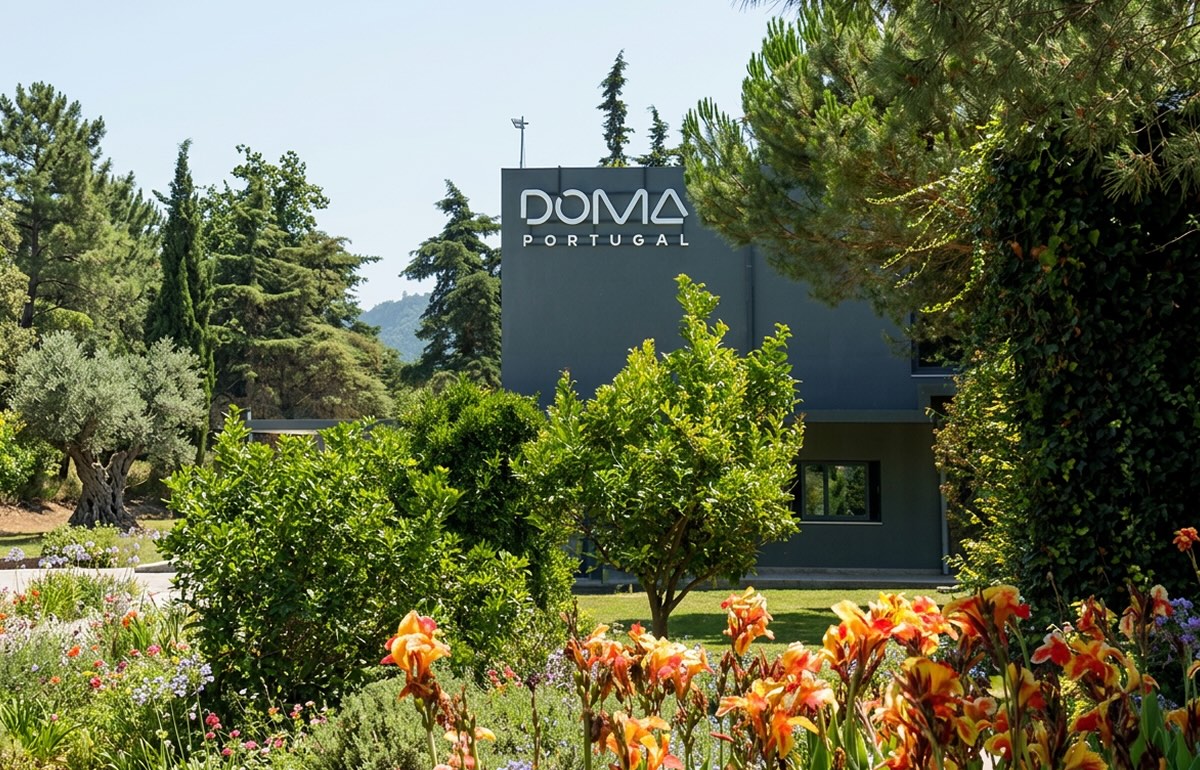
DOMA Countryside Club & Hotel — Mafra🌿 Eco-score 82

Mafra · Lisboa

DOMA Countryside Club & Hotel

€140 / nightView listing →
Eco Lodge Cabreira — Vieira do Minho🌿 Eco-score 81

Vieira do Minho · Norte

Eco Lodge Cabreira

€95 / nightView listing →
Cocoon Eco Design Lodges — Comporta🌿 Eco-score 81

Comporta · Setúbal

Cocoon Eco Design Lodges

€150 / nightView listing →
Ilha da Tartaruga  — Santana der Cambas🌿 Eco-score 80

Santana der Cambas · Baixo Alentejo

Ilha da Tartaruga

€0 / nightView listing →
Quinta do Ícaro — Fonte do Bastardo🌿 Eco-score 77

Fonte do Bastardo · Açores

Quinta do Ícaro

€185 / nightView listing →
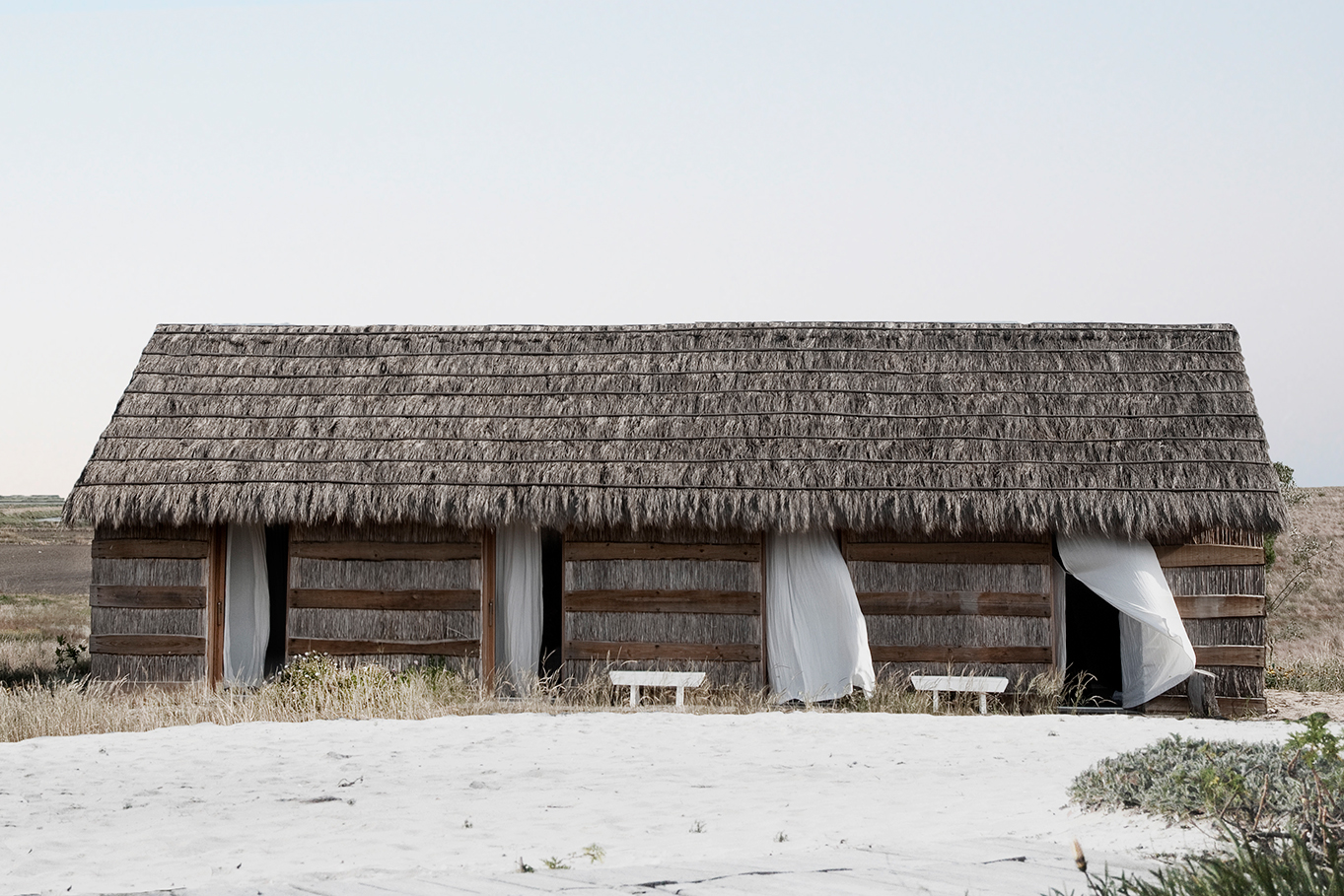
Casas na Areia — Comporta🌿 Eco-score 77

Comporta · Alentejo & Comporta

Casas na Areia

€290 / nightView listing →
Monte da Ravasqueira — Enoturismo Alentejo — Arraiolos🌿 Eco-score 76

Arraiolos · Alentejo

Monte da Ravasqueira — Enoturismo Alentejo

€85 / nightView listing →
Imani Country House — Évora🌿 Eco-score 76

Évora · Alentejo

Imani Country House

€0 / nightView listing →
Salema Eco Camp — Budens🌿 Eco-score 76

Budens · Algarve

Salema Eco Camp

€25 / nightView listing →
Soul Farm Algarve — Aljezur🌿 Eco-score 74

Aljezur · Algarve

Soul Farm Algarve

€75 / nightView listing →
Nômade Melides Eco Lodge — Melides🌿 Eco-score 73

Melides · Alentejo

Nômade Melides Eco Lodge

€113 / nightView listing →
Quinta Japonesa Eco Resort & Glamping — Carvalhal Benfeito🌿 Eco-score 72

Carvalhal Benfeito · Centro

Quinta Japonesa Eco Resort & Glamping

€85 / nightView listing →
Sublime Comporta — Country Retreat & Spa — Comporta🌿 Eco-score 70

Comporta · Alentejo

Sublime Comporta — Country Retreat & Spa

€438 / nightView listing →

What you will — and will not — find in Portugal

Geodesic dome

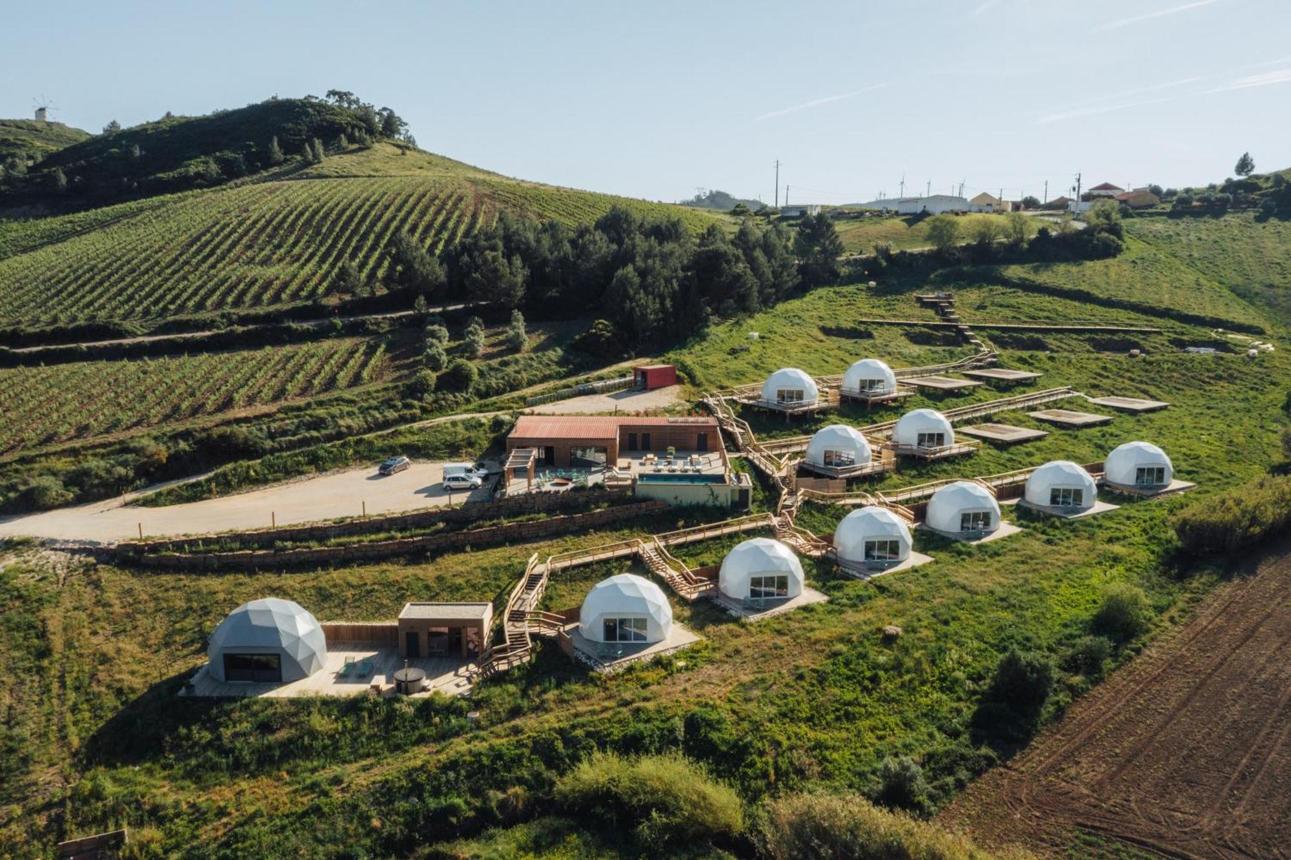
The Portuguese signature. The Alentejo counts dozens of them, usually facing south-east with a glazed bay or a roof porthole so you can fall asleep facing the stars. Around Lake Alqueva, some are designed as private observatories. Always check the ventilation: a poorly ventilated dome is unliveable in July.

Treehouse

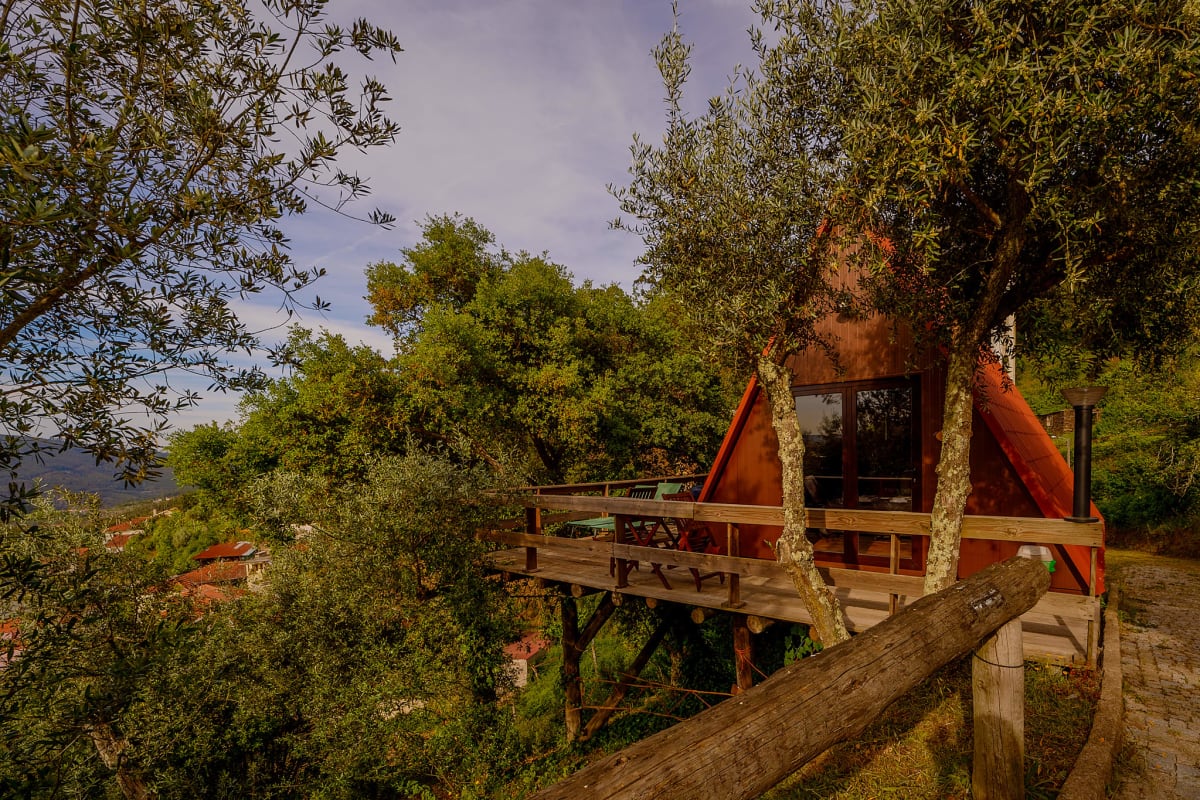
Fewer than in France, but spectacular where they exist: umbrella pines on the coast, cork oaks in the Alentejo, chestnut trees in the north. The best are built on cables, without nails or bolts driven through the trunk.

Glamping and lodge tents

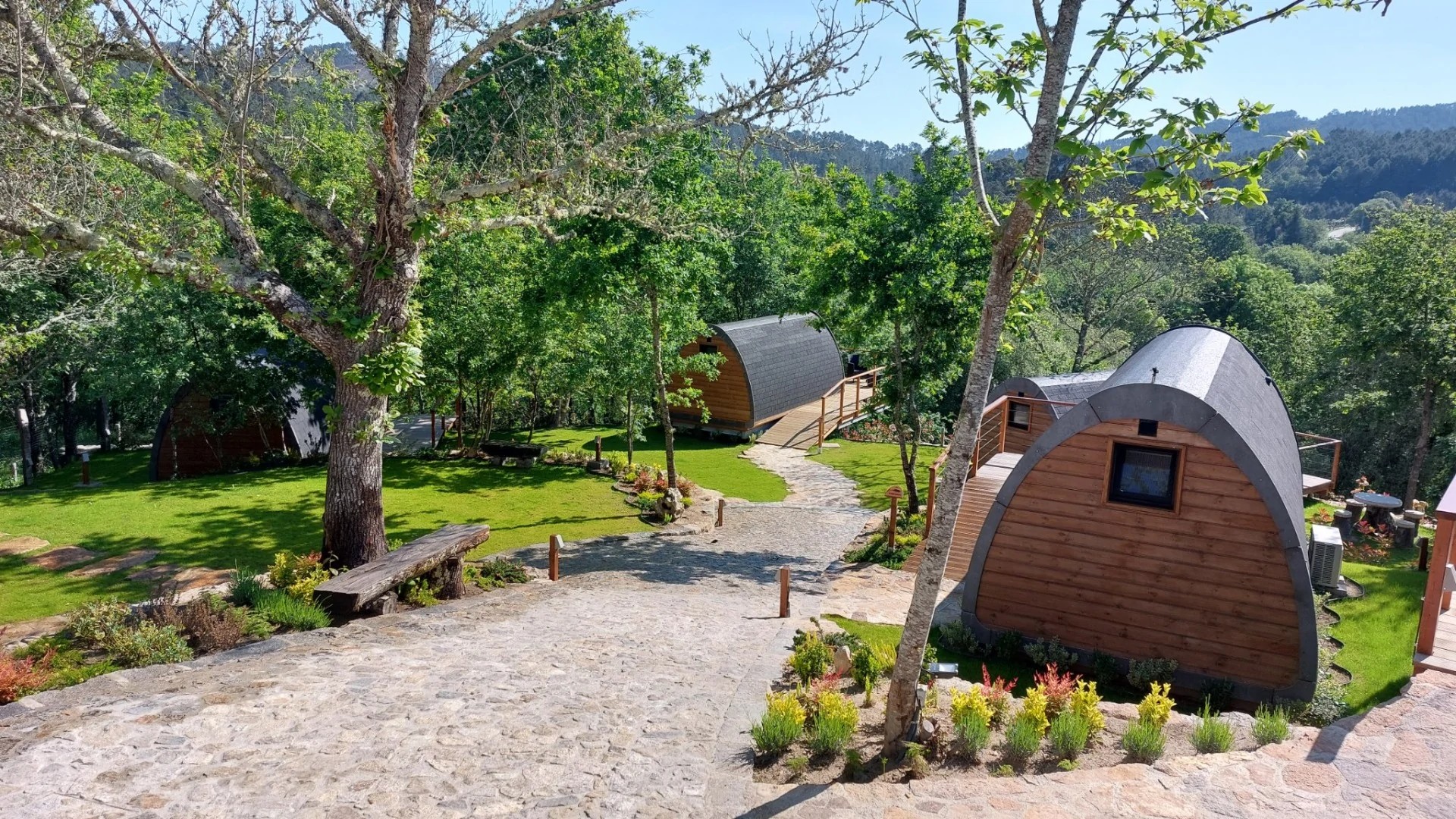
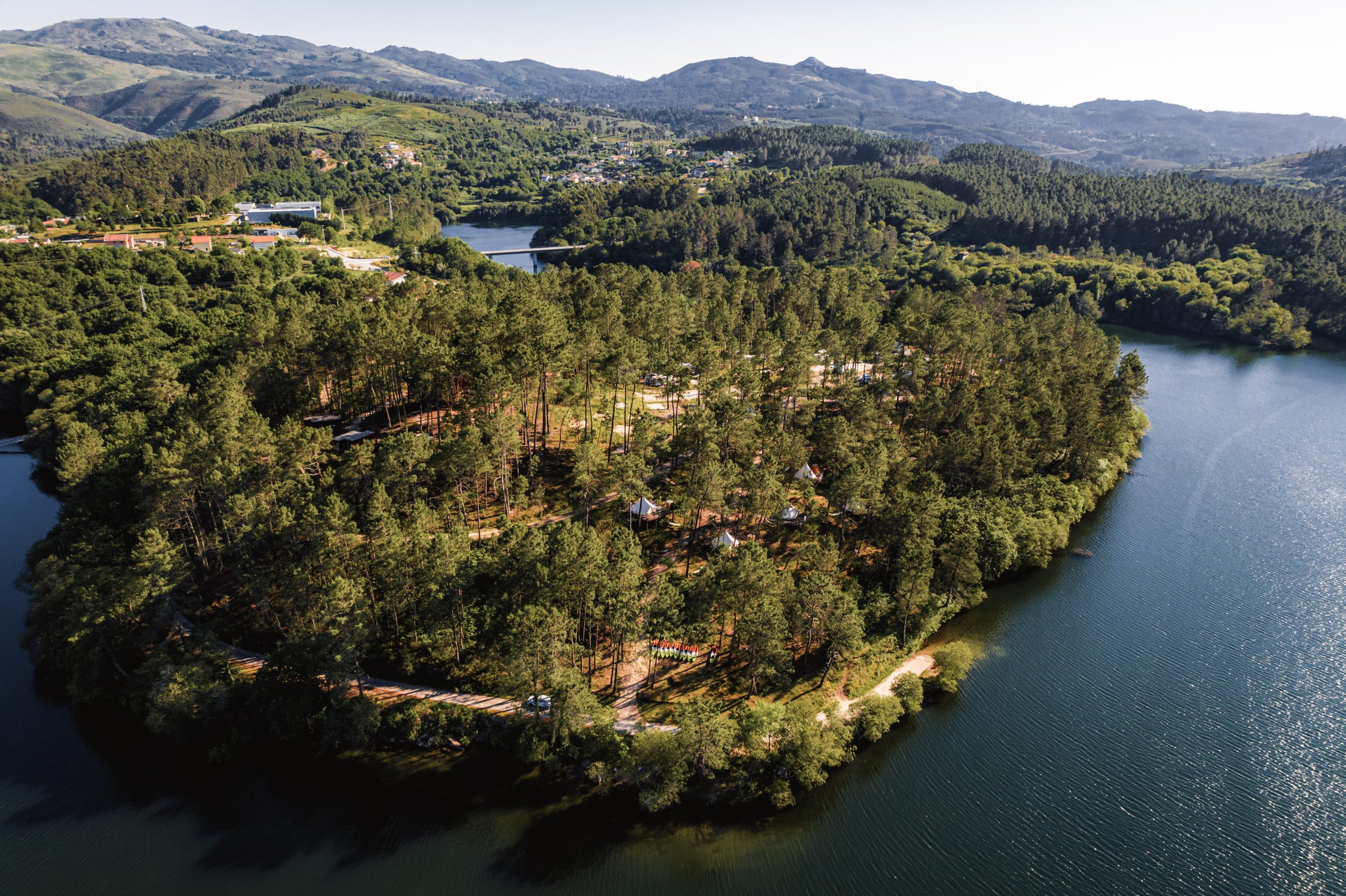
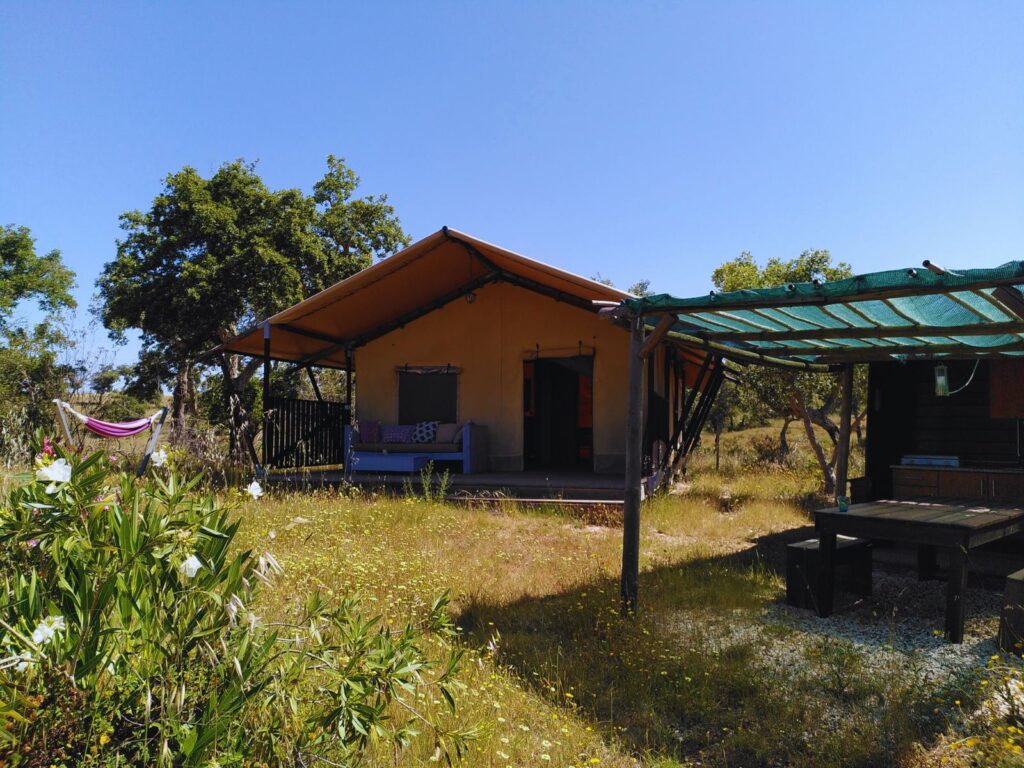
The fastest-growing segment. Safari tents on timber decks, heavy canvas cabins, “eco” campsites in the pine woods of the Sudoeste Alentejano. Quality is very uneven: the word glamping guarantees nothing — the equipment does (water, sanitation, energy).

Tiny house

Growing fast, especially around Lisbon, in the Centro region and in the Alentejo. Ideal for a couple, usually set on a quinta, with solar panels, dry toilets and rainwater harvesting.

Transparent bubble

Rare in Portugal, and concentrated where the sky is truly dark: the inland Alentejo and the Dark Sky Alqueva reserve. It is a shoulder-season experience — under the July sun, an unconditioned bubble is a greenhouse.

Quinta and permaculture farm

The great Portuguese speciality. This is a land of eco-projects: quintas brought back into cultivation, regenerative farms, collective ventures. You sleep in a room, a cabin or a yurt, often with vegetarian meals from the kitchen garden and the option of joining the work.

Surf eco-lodge

From Peniche to Sagres, via Ericeira and Aljezur, surf lodges have gone green: timber construction, solar water heating, boards repaired rather than replaced, shared shuttles to the breaks. The Costa Vicentina remains the wildest and best-protected stretch.

Yurt and cork cabin

Yurts in the eco-communities of the Centro and the Alentejo, and cabins insulated with cork — a local, renewable material harvested every nine years without felling the tree. The most coherent unique stay Portugal has to offer.

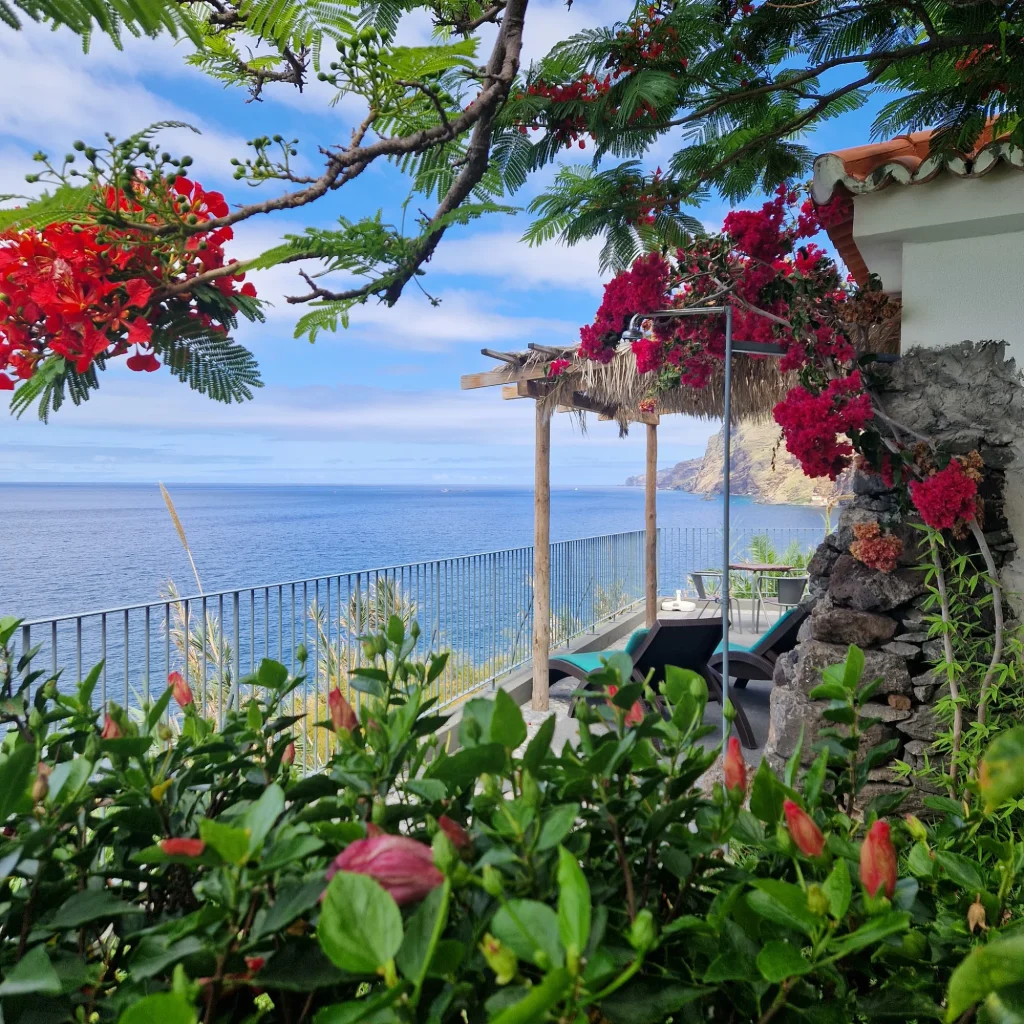
Where to stay in Portugal

Alentejo & Lake Alqueva

The heart of the Portuguese unique stay. Cork-oak plains, whitewashed montes, silence. Around Alqueva lies the first Starlight reserve in the world: the sky is so dark that sleeping under a dome or a bubble becomes the main attraction. Évora, Monsaraz and Estremoz make good bases.

Costa Vicentina & Sudoeste Alentejano

Cliffs, dunes, a strictly protected natural park. Paradise for surfing and hiking (Rota Vicentina). Surf eco-lodges, pine-wood glamping and discreet cabins between Odeceixe, Aljezur and Sagres.

Inland Algarve & Serra de Monchique

Far from the towers of Vilamoura: eucalyptus and chestnut hills, thermal springs, off-grid quintas. The Algarve the brochures do not show — and the only one that still holds up ecologically in summer.

Serra da Estrela & Centro

The roof of mainland Portugal. Granite, snow in winter, restored schist villages (aldeias do xisto). Cabins, refuges and tiny houses; ideal from May to October, and the only region where a wood stove truly makes sense.

Douro & the North

UNESCO-listed vine terraces, wine quintas, stays perched above the river. The Porto–Pocinho train follows the Douro: one of the few genuinely spectacular car-free approaches in Europe.

Peneda-Gerês & Minho

The country’s only national park. Granite, waterfalls, garrano horses, wolves. Green, wet, mountainous — the opposite of the Portuguese cliché. Timber cabins, eco-communities and permaculture farms.

Azores & Madeira

Volcanoes, hydrangeas, laurel forest. The Azores are Europe’s most advanced archipelago in sustainable tourism (regional certification, capped visitor flows). Ocean-facing glamping, timber lodges, organic farms. The flight is the main carbon cost: stay at least a week.

Typical prices in Portugal

Observed ranges for two people, one night. Portugal remains clearly more affordable than France — except on the Algarve coast in August and in high-end eco-resorts, where rates double.

Yurt or glamping tent€60 – €100
Room on an organic quinta or eco-project€70 – €120
Timber nature cabin€80 – €130
Tiny house€90 – €150
Surf eco-lodge (Costa Vicentina, Ericeira)€90 – €170
Treehouse€120 – €200
Geodesic dome (Alentejo, Alqueva)€130 – €230
High-end eco-resort or dome with private tub€250 – €450

The coastal Algarve in August can double these ranges; the inland Alentejo, on the same dates, cuts them — because it is 40°C. The best deals are in March–April and October–November.

When to go

Spring · March to May

The best window, no argument. The Alentejo is green and covered in flowers, nights are cool, prices are low and domes are still pleasant in the middle of the day. The Gerês and the Serra da Estrela emerge from winter.

Summer · June to August

Crushing inland: 38 to 42°C in the Alentejo, where a dome or bubble without air conditioning becomes uninhabitable in the afternoon. The Atlantic coast, ventilated by the nortada wind, stays liveable. High season, peak rates in the Algarve.

Autumn · September to November

The country’s best-kept secret. Harvest in the Douro, sea still warm, golden light, clear skies for stargazing. Few people, and rates fall sharply from mid-October.

Winter · December to February

Mild on the south coast (15–18°C by day), wet and green in the north. Careful: Portuguese buildings are notoriously badly insulated. Check there is real heating — a wood stove, a heat pump — and not just a plug-in radiator.

What we check before listing

In Portugal one criterion outranks all the others: water. Our six checks are concrete and verifiable on site.

1

Water

The number-one criterion in the south. Rainwater harvesting, dry or low-flow toilets, greywater reuse, no watered lawn. A heated pool in the Alentejo in August is a warning sign, not a selling point.

2

Energy

Portugal is one of the sunniest countries in Europe: without solar panels or a solar water heater, the ecological claim does not hold. Wood stove burning local timber in the north and the Serra da Estrela.

3

Materials

Local cork (harvested without felling the oak), taipa (rammed earth), stone, maritime pine, reuse. Be wary of eucalyptus, a monoculture that dries out the soil and feeds the wildfires.

4

Food

Kitchen garden on site, permaculture, village producers, locally landed fish, regional wine. Many Portuguese quintas serve a breakfast grown almost entirely on their own land — and that can be checked.

5

Mobility

Lisbon–Faro, Lisbon–Porto and Porto–Douro: the Portuguese rail network is underrated. A stay that arranges a transfer from the station, or lends bikes, scores points. A domestic flight loses them.

6

Certifications

Chave Verde (Green Key), EU Ecolabel, Biosphere, Dark Sky Alqueva certification for night lighting. A self-awarded label counts for nothing.

Frequently asked questions

Where can I sleep in a geodesic dome in Portugal?

Mainly in the Alentejo — around Lake Alqueva, Monsaraz, Estremoz and Évora, where the sky is a certified Starlight reserve. There are also domes in the Centro region and the Algarve hinterland. Expect €130–€230 a night for two.

What is the Dark Sky Alqueva reserve?

It is the first Starlight tourism reserve certified in the world. Light pollution is regulated across dozens of municipalities, producing one of the darkest night skies in Europe. Sleeping under a dome or a bubble in this zone is the strongest unique-stay experience in the country.

Is Portugal a year-round destination?

Yes, and that is its great advantage. Spring and autumn are ideal everywhere. Winter stays mild on the south coast. The only real trap is summer inland: in the Alentejo, July and August regularly exceed 40°C, and a bubble or dome without air conditioning becomes unbearable.

What budget for a romantic night?

Expect €120–€200 for a treehouse, €130–€230 for a dome in the Alentejo, and €250–€450 for a high-end eco-resort or a dome with a private tub. Clearly less than France for comparable quality.

Can you come without a car?

Partly. Trains serve Lisbon, Porto, the Douro and Faro well, and many hosts offer a transfer from the nearest station. The deep Alentejo and the Costa Vicentina, however, remain hard without a vehicle: choose a stay that organises shuttles and bike hire.

Can I surf and sleep green on the same coast?

Yes, one of the country’s great strengths. Ericeira (a World Surfing Reserve), Peniche, Aljezur and Sagres concentrate timber-built, solar-powered surf eco-lodges with shared shuttles to the breaks. Expect €90–€170 a night.

Do unique stays accept children?

Yes for tiny houses, lodge tents, quintas and larger cabins — permaculture farms are often designed with children in mind. “Adults only” domes and high treehouses with a ladder are frequently adults-only or not advised under age six.

Explore other destinations

Portugal is an ideal way in. Here is what comes next.

Do you run a unique stay in Portugal?

We are actively looking for genuinely committed domes, cabins, permaculture quintas and surf lodges, from the Alentejo to the Azores. Direct listing: free, for life. No commission.

Updated : July 12, 2026